How to Work Safely With a Car’s High-Pressure Fuel System
High-pressure fuel work can turn a routine repair into a fire, injection, or toxic-exposure hazard. I’ll explain how to control pressure, ignition sources, ventilation, protective equipment, and fuel containment—and when professional equipment and procedures are the safer choice.
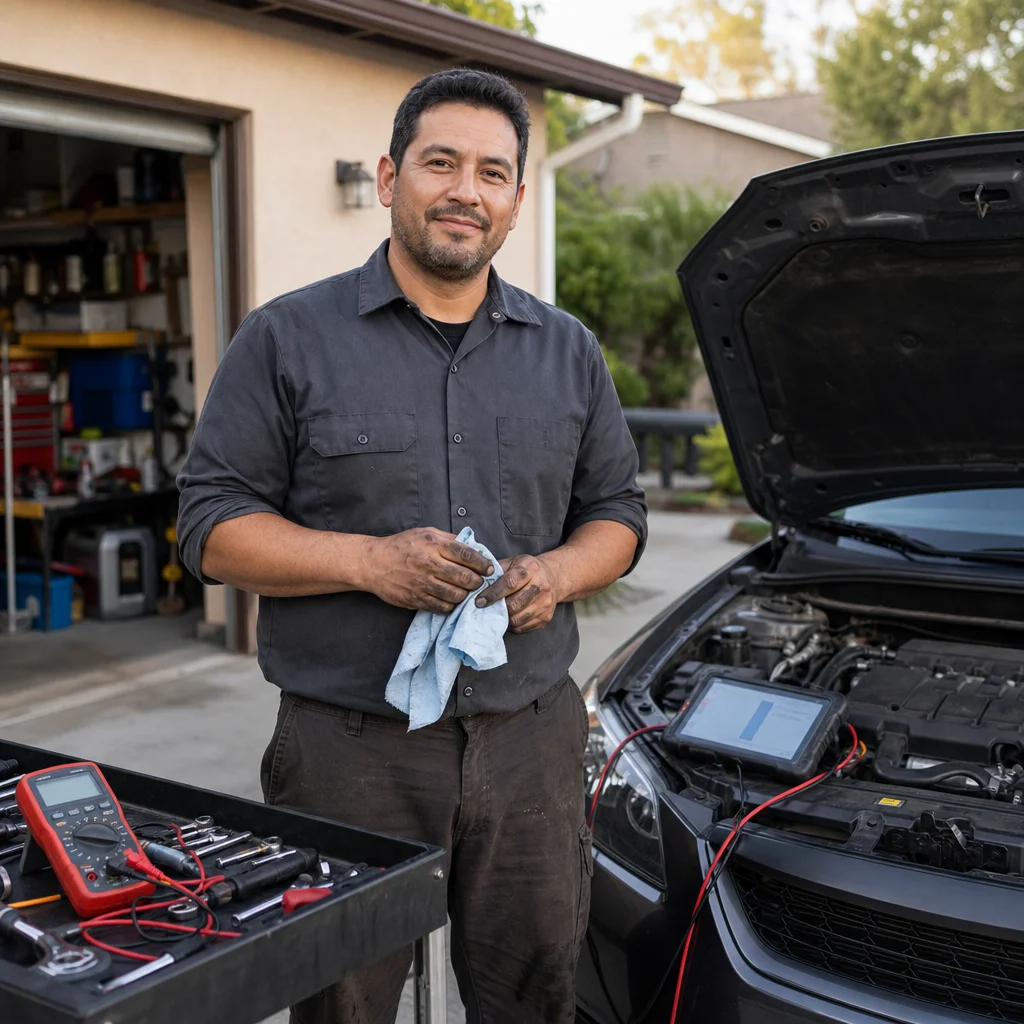
A fuel-system repair can look simple until you consider the pressure trapped inside the lines. On some gasoline direct-injection and diesel systems, fuel may remain dangerous even after the engine is switched off. Opening the wrong connection too soon can spray fuel into your eyes, onto hot components, or through your skin.
Safe work starts with identifying the system and following its specific pressure-release procedure. The general precautions below reduce risk, but they don’t replace the vehicle manufacturer’s service information. If you can’t confirm how the system is designed or how pressure must be released, stop before disconnecting anything.
Confirm the system before opening it
Use the vehicle’s service information to identify whether you’re working on a low-pressure, gasoline direct-injection, or high-pressure diesel circuit. Check the specified pressure-release method, waiting period, test equipment, and replacement requirements before loosening a fitting.
Identify where the high pressure is
Many vehicles have more than one fuel circuit. A tank-mounted pump may send fuel through a relatively low-pressure supply line to a high-pressure pump. That pump then raises pressure for direct injectors or a common-rail system. A repair that is safe on the low-pressure side may be hazardous on the high-pressure side.
Gasoline direct-injection engines commonly place the high-pressure pump on the engine and use rigid or specially designed lines between the pump, rail, and injectors. Diesel common-rail systems also use a high-pressure pump, rail, and injector lines, with pressure that can be extremely high. Mechanical injection systems, hybrid arrangements, and some older vehicles follow different procedures again.
Don’t identify a line by appearance alone. A small-diameter metal line near the cylinder head may be part of the high-pressure circuit, while a larger hose elsewhere may only carry low-pressure fuel. Look for the fuel rail, high-pressure pump, injector connections, and the manufacturer’s labels or diagrams before you touch a fitting.
High pressure can remain after the engine stops because the rail, accumulator, or line is designed to hold pressure. Turning off the ignition doesn’t automatically make the system safe. Some vehicles also run an electric pump when the door is opened, the key is switched on, or the control module wakes up.
Release pressure using the specified method
Pressure release isn't a matter of simply loosening a line and catching the fuel with a rag. The correct method may involve a scan tool command, removing a fuse or relay, allowing the engine to run until it stops, waiting a specified period, or using a dedicated pressure-release tool. Other systems mustn't be depressurized in that way because doing so can damage components or create a new hazard.
Start with the engine cold whenever the repair allows it. Park on a stable, level surface, apply the parking brake, and keep the transmission in Park or neutral as appropriate. Prevent unexpected starting by following the service procedure for disabling ignition or cranking systems. If the vehicle has an automatic start-stop function, remote start, or another unusual starting feature, account for it before work begins.
Never assume that a system is depressurized because the engine stalled, the gauge reads zero, or no fuel is visible at a connection. A gauge may not measure every isolated section, and a small amount of trapped fuel can still escape under pressure. After the specified release procedure, approach the connection slowly and use the approved method for confirming residual pressure.
If a fitting begins to spray, tighten or cover it only if you can do so without placing your hand in the spray path. Don’t use your fingers to search for a leak. Fuel that penetrates skin can cause a serious medical emergency even when the puncture is tiny or difficult to see. Seek urgent medical care for any suspected injection injury, and tell the clinician that high-pressure fuel was involved.
Control ignition and ventilation
Fuel vapor can ignite from an open flame, cigarette, pilot light, heater, work light, electrical arc, or hot engine component. Keep smoking, candles, gas appliances, and spark-producing tools away from the work area. A normal household light, extension cord, battery charger, or electrical connector can also become an ignition source in the wrong conditions.
Work outdoors when practical, but avoid working where wind can carry vapors toward a furnace, vehicle, building opening, or other ignition source. If you must work indoors, use a well-ventilated area specifically suited to flammable liquids. Don’t rely on a box fan or an improvised fan unless it is approved for the environment; ordinary motors and switches can create sparks.
Let hot exhaust parts, turbocharger components, bulbs, and other surfaces cool before opening the system. Fuel on a hot surface may ignite later, after you have moved away from the immediate spill. Keep the key away from the vehicle and avoid opening doors or performing actions that may wake the fuel system unless the service procedure calls for them.
A fire extinguisher suitable for flammable-liquid fires should be immediately accessible, not buried behind the vehicle. It isn't a substitute for removing ignition sources and controlling the release. If fuel is spraying, vapor is building up, or a fire starts, leave the area and contact emergency services rather than trying to continue the repair.
Wear protection that matches the hazard
Use chemical-resistant gloves rated for the fuel you’re handling, along with safety glasses that seal reasonably well around the eyes. For a task where spray is possible, add a face shield over the glasses. Fuel can pass through some disposable gloves or soften them, so inspect gloves and replace them when contaminated or damaged.
Wear long sleeves and clothing that won’t leave exposed skin directly above the work. Avoid loose clothing, synthetic fabrics that may melt when exposed to heat, and accessories that can catch on components. Work boots with slip-resistant soles help when fuel reaches the floor, but they don’t make a contaminated surface safe to walk on.
Respiratory protection requires more care than putting on a dust mask. A basic dust mask doesn't protect against fuel vapor. If the service information or workplace conditions call for respiratory protection, use a properly selected and fitted respirator under the applicable local requirements. For most home repairs, the safer answer is to improve ventilation and avoid creating vapor rather than improvise respiratory equipment.
Wash exposed skin promptly with soap and water. Don’t use gasoline, solvent, or another fuel to clean your hands. Remove fuel-soaked clothing and handle it away from ignition sources. If fuel enters your eyes, flush them with clean water and obtain medical advice; don’t delay because the irritation seems minor.
Contain fuel before disconnecting anything
Plan the fuel path before opening a line. Use the correct replacement hose, caps, plugs, catch container, and absorbent material for the job. The container should be stable, compatible with the fuel, large enough for the expected amount, and positioned so it won’t be knocked over by a hose or your arm.
Don't use an open bucket, food container, thin plastic bag, or an unapproved drain pan for fuel. Keep containers closed when they aren’t receiving fuel, and transfer fuel only with equipment designed for that purpose. Don’t siphon by mouth. If the fuel system is under pressure or the fuel is contaminated, use the manufacturer’s procedure or a professional recovery service.
Absorbent pads can control small drips, but they don’t make a large spill safe. Stop the work, eliminate ignition sources if you can do so without risk, keep people away, and follow local procedures for reporting and cleaning a significant spill. Never wash fuel into a drain, onto soil, or across a driveway where it can reach a storm-water system.
Replace seals, crush washers, O-rings, and high-pressure lines exactly as specified. Reusing a deformed sealing washer or installing ordinary fuel hose where a rigid high-pressure line is required can cause a leak or sudden failure. Keep dirt out of open fuel components; contamination can damage injectors and pumps as well as create a later leak.
Know when the repair belongs to a professional
Professional help is the sensible choice when you lack the service information, approved pressure gauge or scan tool, fuel-safe recovery equipment, or a suitable ventilated workspace. It’s also appropriate when the repair involves a high-pressure pump, common rail, injector line, direct injector, or a suspected fuel leak that you can’t clearly locate.
Stop if a fitting is seized, a line is bent, a thread is damaged, or a component doesn’t match the replacement. Applying heat, cutting a pressurized line, hammering on a fitting, or substituting a generic part can turn a manageable repair into a fire or injection hazard. A professional may also need to perform a priming, leak-checking, or electronic calibration procedure after assembly.
Some symptoms deserve immediate attention rather than diagnosis in the driveway: visible fuel spray, a strong persistent fuel odor, fuel entering the engine oil, a wet high-pressure line, hard starting accompanied by leakage, or an unexplained loss of rail pressure. Don’t keep cranking an engine to “see if it clears.” More cranking can add heat, vapor, and fuel to the risk.
A safer way to finish the job
Before reconnecting the battery or enabling the fuel system, inspect every connection and remove tools, rags, and containers from moving or hot parts. Make sure fuel caps, plugs, clips, and electrical connectors are installed as specified. Clean spilled fuel with suitable absorbent material and dispose of contaminated materials according to local requirements.
Prime the system only by the manufacturer’s method. Then inspect from a safe position while the system builds pressure. Never place your hand over a suspected leak, and don’t run the engine in an enclosed garage. If a leak appears, shut the system down using the prescribed method and correct the cause before continuing.
High-pressure fuel work is manageable only when pressure, ignition, vapor, skin exposure, and containment are controlled together. If any one of those controls is missing, postponing the repair or using a qualified repair facility is usually the most practical decision. Saving a little time isn't worth risking an injection injury or fuel fire.