What to Ask a Shop Before Authorizing an Engine Replacement
I'll clarify which questions matter before you approve an engine replacement, from proving the diagnosis and comparing used with remanufactured engines to checking warranty coverage and preventing surprise labor, core, tax, and follow-up costs.
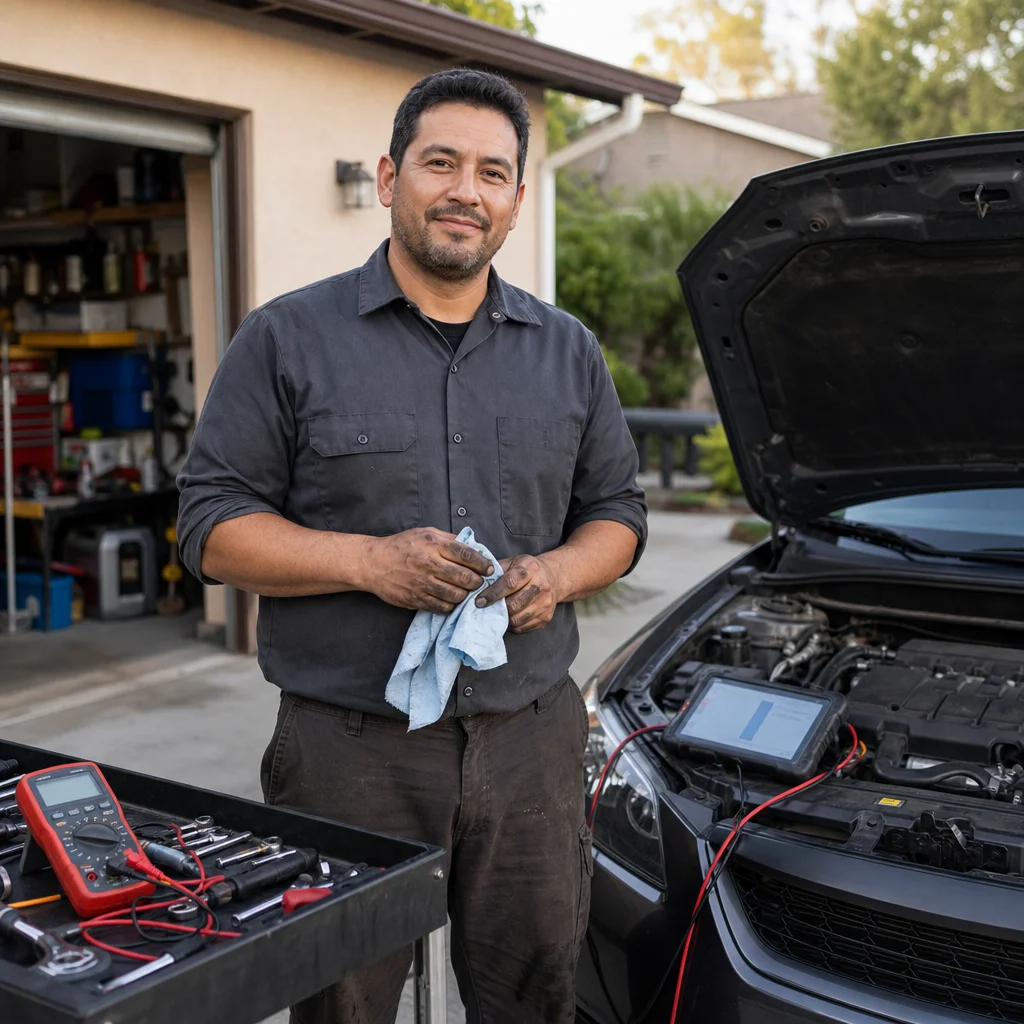
An engine replacement is a major decision, and the first estimate you receive may not tell you enough to authorize the work. Before agreeing, you need to understand what failed, why replacement is the recommended fix, what type of engine the shop is supplying, and what happens if the repair costs more than expected.
The goal isn’t to challenge every recommendation. It’s to make sure the repair solves the underlying problem and supports reliable ownership afterward.
Confirm that replacement is actually justified
Ask the shop to explain the failure in plain language and show you the evidence. A low compression reading, severe oil contamination, a damaged bearing, overheating, or a broken timing component can point toward serious internal damage, but the appropriate repair depends on the engine design, vehicle condition, mileage, and parts availability.
Useful questions include:
- What specifically failed inside or around the engine?
- What tests were performed, and what were the results?
- Can you show me the compression, leak-down, oil-pressure, scan-tool, or inspection findings?
- Is the engine completely unusable, or would rebuilding or repairing it be reasonable?
- Could an external component—such as the cooling system, fuel system, turbocharger, timing system, or wiring—have caused the failure?
- What caused the original failure, and how will that cause be corrected?
A diagnostic trouble code isn't, by itself, proof that the engine needs replacement. A code may identify a system or symptom rather than a failed internal part. Similarly, metal in the oil or a severe noise may justify major concern, but the shop should still explain how it reached its conclusion.
Ask whether the diagnosis is based on a teardown, an inspection through an access point, test results, or professional judgment from symptoms. If the engine hasn't been disassembled, the estimate may be based on an assumption. That isn’t automatically unreasonable, but you should know what is confirmed and what could change once work begins.
Ask what “replacement engine” means
Shops and suppliers use terms such as used, salvage, recycled, rebuilt, remanufactured, and new differently. Get the description in writing rather than relying on a general label.
A used engine is normally removed from another vehicle. Its mileage, maintenance history, storage conditions, and exact operating history may be incomplete. A reputable supplier may inspect or test it, but “tested” doesn’t necessarily mean that every internal component was replaced or measured to a particular standard.
A remanufactured engine is generally disassembled, inspected, machined or replaced as needed, and reassembled to a defined specification. The details vary widely by supplier. One remanufacturer may replace many wear items, while another may offer different grades or coverage. Ask who remanufactured it, what work was performed, and whether the engine is a complete assembly or a long block that requires parts from your original engine.
A rebuilt engine can also mean different things. Some rebuilds replace only failed or worn components; others involve more extensive machining and renewal. Ask the shop or supplier to define the term, not just use it as a quality assurance.
You should also ask whether the replacement is an exact match for your vehicle’s year, engine code, transmission, emissions equipment, drivetrain, and software requirements. An engine that physically fits may still require different sensors, manifolds, wiring, programming, or accessory parts.
Verify the replacement specification: Before authorizing the order, compare the written engine description with your vehicle identification number, engine code, emissions configuration, and required accessories. Supplier listings and availability can change, so confirm the exact unit and its included parts at the time of purchase.
Compare the options by risk, not only price
A used engine often has the lowest initial cost, but an unknown history can create more uncertainty. A remanufactured unit may cost more while offering a clearer specification and broader coverage. Repairing or rebuilding your existing engine may preserve a known block and head, but the final price may remain uncertain until it is disassembled.
Ask the shop to separate these options when they’re realistic:
- Repair the existing engine.
- Rebuild or remanufacture the existing engine.
- Install a used engine.
- Install a remanufactured engine.
- Replace the vehicle instead of approving the repair.
For each option, ask for the expected total cost, estimated completion time, warranty, major risks, and what parts are included. You don’t need a guarantee of future reliability—no shop can provide one—but you should receive enough information to compare the trade-offs.
Consider the vehicle’s overall condition. A replacement engine may be sensible if the body, transmission, suspension, electrical systems, and interior are otherwise in good shape. It may be a poor long-term investment if the vehicle already needs major rust repair, has a failing transmission, or has several expensive systems nearing the end of their service life.
Ask the shop what other repairs it would inspect while the engine is out. Some components are easier to reach during the job, such as certain seals, mounts, hoses, belts, cooling-system parts, or clutch components on some manual-transmission vehicles. That doesn’t mean every accessible part should be replaced automatically. Request an explanation of which items are necessary, which are recommended for reliability, and which can reasonably wait.
Make the estimate specific
An engine estimate can look reasonable while leaving out important costs. Ask for a written, itemized estimate that identifies the engine, labor, fluids, filters, gaskets, seals, mounts, programming, diagnostic work, disposal charges, taxes, and shop or supplier fees.
Clarify whether the quoted labor covers removing and installing the engine only or also includes transferring accessories and replacing related components. Find out whether the estimate includes diagnostic time already spent. Ask whether the shop charges separately for cleaning, testing, calibration, road testing, or resolving warning lights after installation.
A particularly important question is: “What could make this estimate increase, and how will you contact me before doing additional work?” Agree on a dollar limit or approval process for changes. You can authorize a diagnostic teardown up to one amount and require separate approval for a replacement or additional repairs.
Ask about the old engine, often called the core. The supplier may charge a refundable core deposit that is returned only if your old engine meets certain conditions. Confirm whether that deposit appears in the estimate, who owns the old engine after replacement, and whether you’ll receive credit if the core is accepted.
Also ask who supplies the engine and who handles a defective unit. If the shop uses a third-party supplier, a problem may involve shipping, inspection, authorization, or dispute procedures before another engine is provided. Knowing that process in advance helps you evaluate the real warranty rather than just its duration.
Read the warranty as a repair plan
Don’t stop at a statement such as “three-year warranty.” Ask for the complete written terms and review what is covered, who pays labor, whether diagnosis is included, and what exclusions apply.
Important questions include:
- Is the warranty provided by the shop, the engine supplier, or both?
- Does coverage apply to parts, labor, towing, fluids, seals, and related damage?
- Is the warranty valid nationwide, across provinces or states, or only at the installing shop?
- What must you do to maintain coverage?
- Are oil changes, coolant service, break-in procedures, or inspections required?
- What records must you keep?
- What happens if the vehicle breaks down while traveling?
- Does the warranty cover a replacement engine, a repair, or only the failed component?
- Is there a deductible or limit on labor hours and labor rates?
A warranty can be less useful than it sounds if it covers the engine part but not the labor to remove and install a replacement. It may also exclude overheating, low oil, contamination, modifications, towing, commercial use, or failure to follow a specified maintenance schedule.
Confirm coverage before the engine arrives: Obtain the warranty terms and required maintenance schedule in writing, then ask the shop to identify who approves a claim and who pays removal, installation, diagnosis, fluids, and towing. Warranty rules and consumer protections vary by jurisdiction and supplier, so check the current terms that apply to your purchase.
Protect against an unresolved root cause
A replacement engine won’t last if the original cause of failure remains. Ask what the shop will test or repair before the vehicle is returned. If overheating caused the damage, the radiator, thermostat, water pump, fans, hoses, cooling passages, and control systems may need appropriate inspection. If low oil pressure or lubrication failure was involved, the shop should identify why oil was lost, contaminated, or not circulated correctly.
Other possible causes include a failed timing component, blocked oil passages, a fuel or ignition problem, a turbocharger failure, neglected maintenance, or a calibration issue. You don’t need every component replaced, but you do need a credible explanation of how the new engine will be protected.
Ask whether the replacement engine will be tested for leaks, oil pressure, coolant circulation, warning lights, abnormal noise, and proper operating temperature. Find out whether the shop will perform a road test and document the results. Ask how many miles or hours of operation are recommended before the first inspection or oil change, if the supplier has a break-in procedure, and whether that procedure affects warranty coverage.
Know what you’re authorizing
Before signing, make sure the authorization identifies the vehicle, the work approved, the engine type and supplier, the estimated total, the deposit or payment schedule, and the process for additional work. Ask when payment is due and whether storage charges apply if you delay pickup.
You can also ask the shop to separate “must repair before operation” items from “recommended soon” items. A failed mount, damaged wiring, or cooling-system fault may be necessary to correct before the vehicle is safe or reliable. Cosmetic work or unrelated maintenance may be worth planning, but it shouldn’t be blended into the engine replacement without your approval.
If the explanation is unclear, the estimate is open-ended, or the shop won’t provide warranty terms, consider getting a second opinion before authorizing a major repair. Give the second shop the diagnostic results and estimate, but ask it to form its own conclusion rather than simply endorse the first recommendation.
Check local requirements for the finished repair: Before approving parts or modifications, confirm the current inspection, emissions, registration, and consumer-protection requirements that apply where the vehicle is registered. Requirements differ across U.S. states, Canadian provinces, and vehicle configurations, especially when an engine from another model year is being considered.
Make the decision with the whole vehicle in mind
Compare the complete repair cost with the vehicle’s realistic market value and replacement cost, but don’t treat either number as an automatic answer. A dependable vehicle with known maintenance history can justify a major repair even when the bill is substantial. A vehicle with extensive rust, neglected maintenance, or several imminent failures may not.
Ask the shop for a candid assessment of what it sees beyond the engine: transmission condition, structural rust, suspension, brakes, electrical faults, air conditioning, and upcoming maintenance. The shop may not be able to predict every failure, but its inspection can help you avoid putting a replacement engine into a vehicle that has little reliable service life left.
The safest authorization is based on four clear answers: what failed, why this replacement is appropriate, exactly what you’re receiving, and how the shop will handle warranty and unexpected costs. Get those answers in writing, approve only the work you understand, and make sure the original failure has been addressed. That approach won’t eliminate the expense, but it gives the replacement a better chance of becoming a long-term repair rather than the first step in another series of bills.