How to Handle Used Motor Oil, Coolant, and Filters Responsibly
Pouring waste into a drain is never the responsible shortcut, but storing everything indefinitely creates its own risks. I’ll show you how to contain used oil, coolant, and filters, then find the right disposal route for your area.
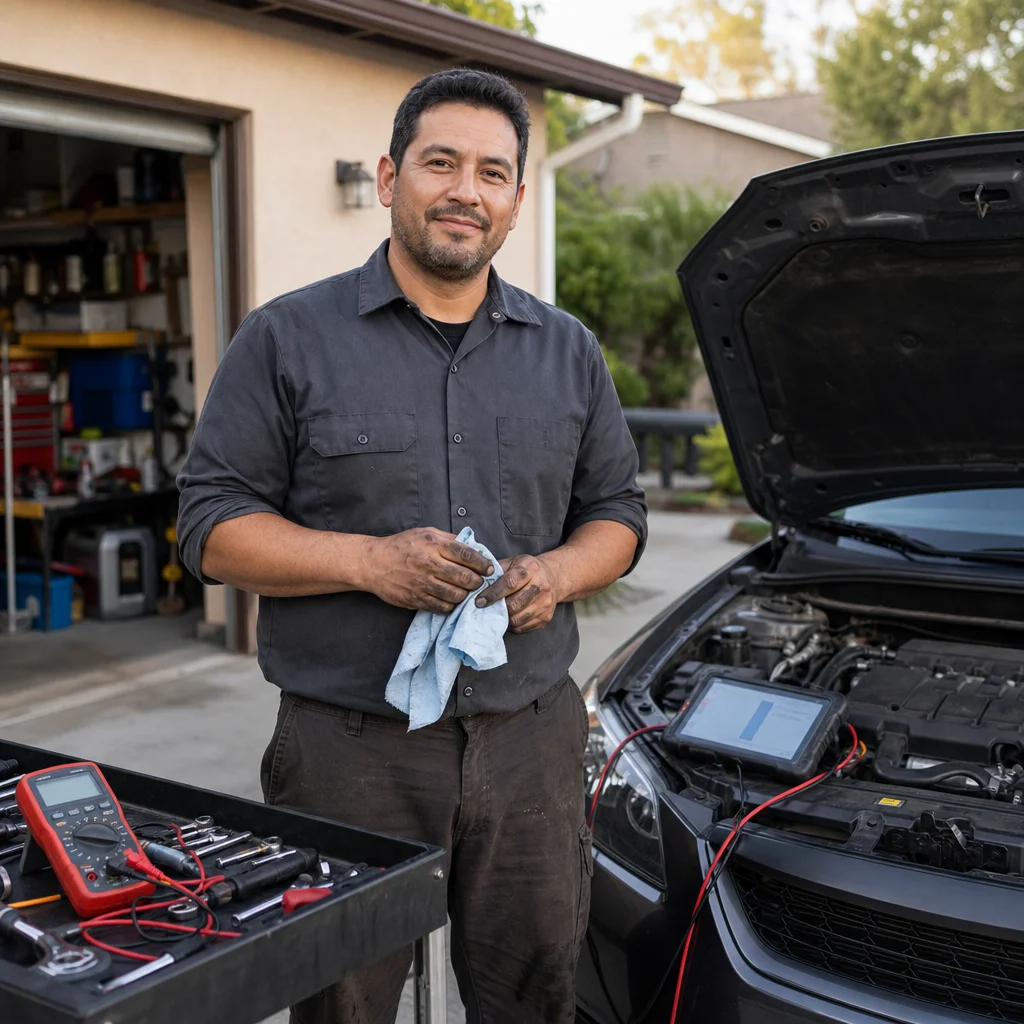
Changing fluids at home can reduce maintenance costs and help you keep an older vehicle reliable, but the job isn’t finished when the drain plug goes back in. Used motor oil, coolant, oil filters, and fuel-contaminated materials can harm people, pets, soil, and waterways if they’re spilled or discarded with ordinary household waste.
The safest approach is to treat each waste stream separately, prevent leaks from the moment it leaves the vehicle, and confirm the disposal rules that apply where you live. Requirements differ between U.S. states, Canadian provinces and territories, municipalities, and individual collection sites. A method accepted for used oil may not be accepted for antifreeze or filters.
Separate the waste before you store it
Used motor oil is usually the simplest automotive fluid to recycle. Drain it into a clean, sturdy container with a secure cap, such as the empty oil jug from the service. A dedicated drain pan with a pour spout can help, but transfer the oil into a closed container rather than leaving it exposed. Don’t use a container that previously held household chemicals, fuel, solvent, or another incompatible substance.
Keep used coolant separate from oil. Antifreeze can contain toxic additives, and even a small amount of oil contamination may cause a collection site to reject it. Don’t pour coolant into an oil jug just because the container is convenient. Label each container clearly with its contents, and include a note if the material is mixed, contaminated, or unknown.
Oil filters and coolant filters are solid waste, but they still retain fluid. Treat them as part of the cleanup rather than tossing them immediately into a bin. Other contaminated items—such as absorbent pads, shop towels, litter, or cardboard—should be kept separate until you know how your local household hazardous-waste program handles them.
Never combine used oil with coolant, brake fluid, power-steering fluid, transmission fluid, gasoline, diesel, solvent, or household chemicals. Mixing can make a recyclable load unusable and can change how the waste must be managed. If you’re unsure what a container holds, don’t guess; tell the receiving facility exactly what you know.
Prevent leaks while draining and storing
Before starting, put the vehicle on a stable, level work surface and position the drain pan so it can catch the full stream. A sheet of cardboard or a plastic-backed absorbent mat can protect the ground, but it shouldn’t replace a correctly placed pan. Keep the replacement container nearby so you don’t have to carry an open pan across the garage.
Once the fluid has drained, check the pan for debris and transfer the contents carefully. Leave room in the container for movement and temperature changes, and wipe the outside before tightening the cap. A funnel reduces splashing, but pour slowly; a funnel can clog or tip if you rush.
Store containers upright in a cool, covered, well-ventilated location away from children, pets, ignition sources, and floor drains. A shallow secondary tray can contain a minor leak, but it isn’t a substitute for a sound container. Don’t store fluids in food or drink containers, and don’t rely on a cap that is loose, cracked, or missing its seal.
Coolant deserves extra caution because its sweet smell and taste can attract animals. Keep it inaccessible to pets and wildlife, clean drips promptly, and never leave an open drain pan unattended. If someone or an animal may have swallowed coolant, contact poison-control or veterinary assistance promptly; don’t wait for symptoms.
Check your local drop-off rules: Before your next trip, look up your municipal household hazardous-waste program, provincial or state environmental agency, or an automotive recycling facility and confirm whether it accepts used oil, antifreeze, filters, and contaminated absorbents separately. Ask about container limits, appointment requirements, and whether the site serves residents only.
Prepare oil filters for collection
A spin-on oil filter can hold a surprising amount of oil after removal. Put it in the drain pan with the open side facing down, if practical, and allow it to drain for several hours or according to the receiving program’s instructions. Don’t puncture, crush, cut open, or burn a filter unless the facility specifically directs you to do so; cutting it creates sharp edges and can spread contaminated oil.
After draining, place the filter in a leak-resistant bag or container for transport. Some recyclers accept drained metal filters with scrap metal, while others take them with used oil or household hazardous waste. Cartridge-style filters and their saturated housings may follow different rules. Confirm the route rather than assuming every “oil filter recycling” program accepts every design.
If the filter is still dripping, treat it as liquid-contaminated waste. Add absorbent material only if your local program permits that method, and don’t put a leaking filter loose in your vehicle or household trash. A sealed plastic tub that can be wiped clean is usually more practical for carrying several items than a thin shopping bag.
Choose a disposal route that matches the material
Many auto-parts stores, repair shops, quick-lube businesses, transfer stations, and recycling centers collect used motor oil from the public. Some accept only oil purchased or changed through their business, and some limit the volume or number of containers. Collection programs may also refuse oil contaminated with coolant, water, fuel, or solvents.
Used antifreeze may be accepted by a household hazardous-waste depot, a municipal waste facility, or a specialized automotive recycler. Some locations provide separate antifreeze recycling, while others direct residents to periodic collection events. Don’t assume that a site accepting used oil also accepts coolant. Keep asking until you have a route for each material.
Your municipality’s waste-search tool is often the best starting point, but it may not list private automotive programs. In the United States, state environmental agencies and local household hazardous-waste programs can explain the applicable route. In Canada, the relevant provincial or territorial environment department, municipal waste authority, or product-stewardship program may provide the current answer. Collection arrangements can change, so verify them close to the time you plan to go.
Never pour used oil or coolant onto soil, into a storm drain, down a sink or toilet, into a septic system, or into a ditch. Wastewater treatment systems aren’t designed to make these materials safe, and storm drains commonly discharge to waterways without the same treatment as sanitary sewage. Don’t burn waste oil or coolant in a homemade heater or outdoor fire. Apart from pollution and fire risks, such equipment may be subject to local requirements.
Transport it without creating a second spill
Call the destination before loading the vehicle. Ask what containers it accepts, how much you can bring, whether the materials must be separated, and where to check in. Keep the confirmation or facility webpage available in case the staff use different names for the waste categories.
Use containers that are tightly closed, upright, and in good condition. Place them in a sturdy plastic tote or other secondary container to catch a leak, and keep them from sliding by wedging the tote securely. Don’t put fluids in the passenger compartment if you can avoid it; a trunk or cargo area is preferable, with ventilation and separation from passengers when the vehicle design allows. Drive directly to the facility and unload promptly rather than leaving containers in a hot vehicle.
Don’t transport a damaged, bulging, unmarked, or actively leaking container. If a spill occurs during loading, stop and contain it with compatible absorbent material while keeping people and ignition sources away. Don’t wash oil or coolant into a drain. For a significant release, a spill near a waterway, or a situation you can’t safely control, contact the appropriate local emergency or environmental authority.
Clean up small spills carefully
For a small spill on concrete, keep it from reaching a drain, spread an appropriate absorbent, and collect the saturated material. Follow the product label and local waste instructions for the absorbent; oil-soaked material and coolant-soaked material may need different handling. Once the bulk is removed, clean the surface using a method that captures the wash water rather than sending it down a storm drain.
If fluid reaches soil, grass, a storm drain, or surface water, the response becomes more than ordinary garage cleanup. Keep people and animals away, avoid spreading the material with a hose or vehicle tires, and seek local guidance. Record what spilled, approximately how much, and where it went; those details help an authority or cleanup service give useful advice.
Build disposal into the maintenance routine
A small, labeled storage area and a reusable secondary tub make responsible disposal easier on the next service. Keep a note of the fluid type and approximate amount as you work, and set aside filters to drain immediately. If you perform oil changes regularly, arrange a known drop-off route before the container is full rather than waiting until you have nowhere safe to store it.
The long-term reliability benefit is straightforward: clean work reduces contamination, and good waste handling reduces the chance that a minor maintenance job becomes a property, health, or environmental problem. Drain carefully, keep oil separate from coolant, secure filters and containers, and verify the receiving facility’s current rules before you load the vehicle. When a container is unidentified or a spill is beyond your control, stop and get professional or local-authority guidance instead of improvising.