Why Does My Car Stall When I Come to a Stop?
A car that stalls at stops may have an idle, vacuum, transmission, fuel, or electrical problem, and the right priority is safe, simple checks before replacing parts. I’ll explain how to narrow the cause without treating every stall as the same diagnosis.
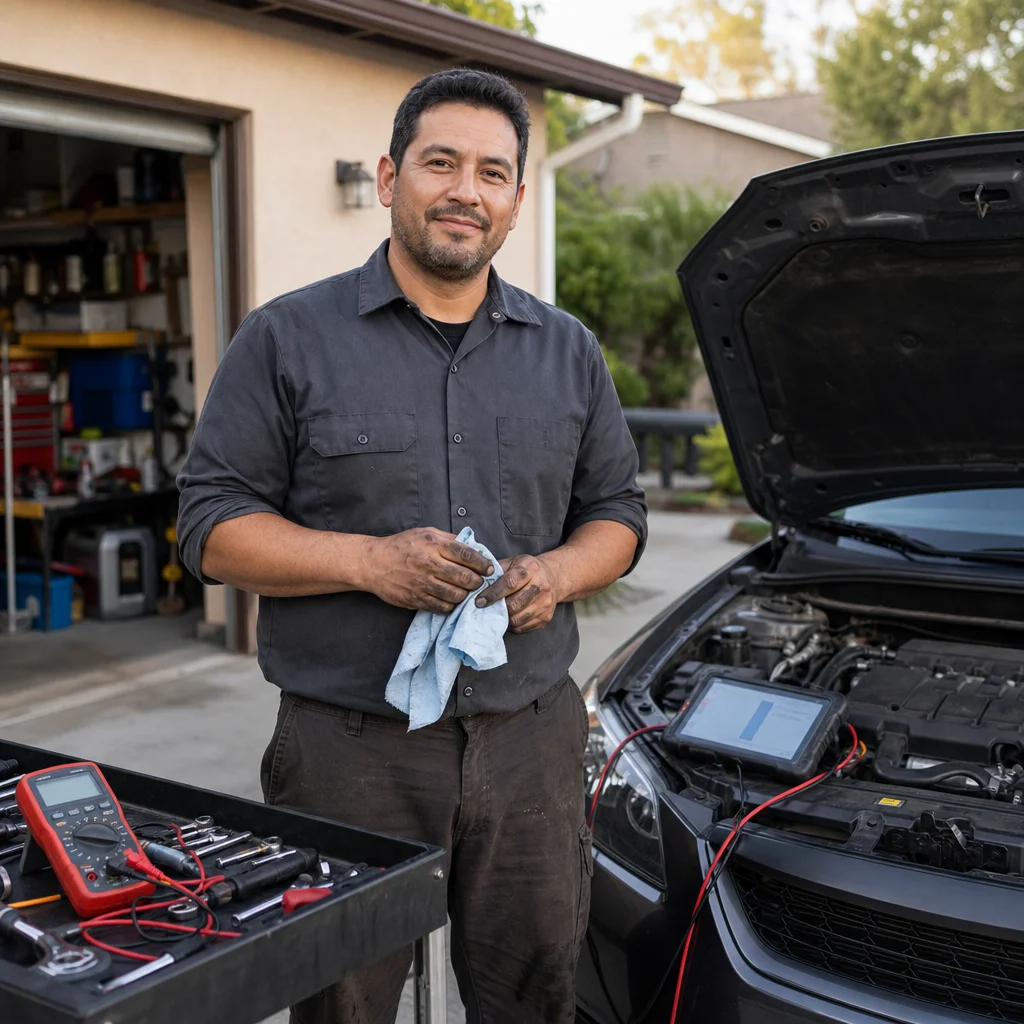
Stalling as you come to a stop usually means the engine can’t maintain a stable idle when the throttle closes. That can happen because the engine is getting the wrong amount of air or fuel, an automatic transmission is failing to release its lockup clutch, or an electrical fault is interrupting engine operation.
The timing of the stall matters. If the engine dies only when braking, only after warming up, or only with the air conditioner running, those details can narrow the search considerably. Start with the simplest observations before buying sensors or replacing parts.
Stay safe during the first checks
If the engine dies in traffic, the steering and brake pedal may feel different, and restarting may take time. Move to a safe location, use hazard lights, and avoid testing around moving traffic or rotating belts. If the car repeatedly stalls in intersections or loses braking assistance, have it transported for diagnosis rather than continuing to drive it.
First, describe exactly when it stalls
A stall that occurs as you coast to a stop is different from one that happens while accelerating. Note whether the engine speed drops gradually or cuts off abruptly, whether the vehicle restarts immediately, and whether the check-engine light is on. Also pay attention to whether the problem occurs with the engine cold, fully warmed up, or under both conditions.
If the engine sputters and the rpm falls slowly, an idle-air, vacuum, fuel, or airflow problem is more likely. If it shuts off as though someone turned off the ignition, consider an electrical or sensor signal problem. A stall followed by an immediate restart can still be serious, but it gives you a useful clue: some faults appear only during a particular operating condition.
Manual-transmission cars add one common possibility. If the engine stalls as you stop, make sure the clutch is being pressed in early enough. A worn clutch can cause slipping during acceleration, but simply failing to disengage because of a hydraulic or mechanical problem can also pull the engine down as the vehicle stops.
Idle control problems are a common starting point
When you release the accelerator, the throttle closes and the engine must continue running on a small, carefully controlled amount of air. The engine computer manages this with an electronic throttle body on many newer vehicles. Older designs may use a separate idle air control valve. Carbon buildup, a sticking valve, or a throttle plate that can't move as expected can prevent the engine from catching the idle.
This often produces a pattern in which the engine runs acceptably while you’re pressing the accelerator but dies when you lift off or come to a stop. The idle may surge, dip very low, or recover after briefly shaking the vehicle. Turning on the air conditioner or shifting into Drive can make the symptom more noticeable because those conditions add load.
Look for obvious dirt around the throttle opening, but don’t force an electronic throttle plate or spray cleaner into a component without checking the vehicle’s service information. Some vehicles require an idle or throttle relearn after cleaning or battery disconnection. A basic visual inspection is reasonable; disassembly and relearn procedures vary by model.
Check for a vacuum leak
The engine needs a measured balance of air and fuel. A cracked vacuum hose, loose intake duct, failed gasket, or leaking brake-booster hose can allow unmetered air into the engine. At idle, that extra air has a large effect because the engine is operating with only a small throttle opening.
A vacuum leak may cause a rough or high idle, hesitation, whistling, lean-condition fault codes, or a stall when you brake. If the brake pedal becomes unusually hard at the same time, a leak in the brake-booster system deserves prompt attention. Don't keep driving a vehicle with a brake-assist concern merely because the engine still runs.
With the engine off and cool, inspect rubber hoses and the air-intake tube for splits, loose clamps, or disconnected fittings. Check that the air filter housing is closed correctly and that small hoses haven't been left unplugged after earlier work. Avoid spraying flammable liquids around a running engine to search for leaks. A smoke test is safer and more reliable when the leak isn't obvious.
Consider the torque-converter clutch
Automatic transmissions use a torque converter to let the engine continue running while the car is stopped in gear. At cruising speed, many transmissions engage a lockup clutch inside the converter to reduce slip. If that clutch stays applied as you slow down, it can feel much like stopping a manual car without pressing the clutch: the engine is dragged down and stalls.
This possibility becomes more likely if the car drives normally at first, then stalls as you approach a stop after reaching moderate road speed. You may feel a shudder before the stall, or the vehicle may restart and drive normally until the next stop. Some transmission faults set a diagnostic trouble code, but not all do.
A scan tool capable of reading transmission data can help a technician determine whether the lockup command and actual behavior match. The fix may involve a control solenoid, wiring, fluid-related issue, or internal transmission repair. Because transmission diagnosis can become expensive quickly, confirm the symptoms and scan results before authorizing major parts replacement.
Fuel delivery can fail at idle
A weak fuel pump, restricted filter, failing pressure regulator, or faulty injector can leave the engine short of fuel. Fuel problems often cause hesitation, loss of power, hard starting, or stalling under load, but a marginal system can also reveal itself when the engine returns to idle.
Listen for a brief fuel-pump sound when the ignition is switched on, if your vehicle normally makes one, but don’t treat the sound as proof that pressure is correct. Fuel pressure must be tested with the proper gauge and procedure. Some modern systems operate at high pressure, and opening fuel lines without the right equipment can create a fire or injury risk.
If the engine stalls after a long drive and restarts only after cooling, a failing pump or electrical connection is possible. If it stalls when the fuel level is low, a weak pump, damaged pickup, or inaccurate fuel-gauge assumption may be involved. These clues help, but they don’t replace a pressure test.
Don’t overlook airflow and sensor signals
The computer uses information from sensors such as the mass airflow sensor, manifold pressure sensor, throttle-position sensor, and engine-speed sensors to determine how much fuel and air the engine needs. A contaminated sensor, damaged wiring, or implausible signal can cause the engine to lose control of its idle.
A mass airflow sensor problem may cause rough running, poor acceleration, or stalling when you lift off the throttle. A crankshaft-position sensor that intermittently loses its signal may cause an abrupt stall and may not always leave a code. The distinction between a gradual rpm drop and an instant shutdown is useful here.
If you have a code reader, scan for stored and pending codes before clearing anything. Record the code numbers and any freeze-frame information first. A code identifies a system or condition that the computer noticed; it doesn't automatically prove that the named sensor is defective. Check connectors, wiring, intake leaks, and related data before replacing the part.
Electrical faults can mimic fuel or air problems
Loose battery terminals, poor engine grounds, a failing alternator, or an ignition-switch problem can interrupt engine operation. A weak charging system may cause flickering lights, a battery warning lamp, slow cranking, or multiple warning lights before the stall. If the dashboard goes completely dark when the engine stops, electrical power loss deserves particular attention.
Check that the battery terminals are tight and free from heavy corrosion, and inspect visible ground cables for looseness or damage. A voltage test with the engine off and a charging-system test while it runs can provide useful information, but charging-system values vary by vehicle and some newer systems regulate voltage dynamically. A parts store’s quick test can be a starting point, not a complete diagnosis.
Use a sensible diagnostic order
Begin by checking the basics: fuel level, recent repair work, warning lights, loose intake hoses, battery connections, and whether the stall happens cold or warm. Then scan for codes, even if the check-engine light is currently off. Write down the symptoms before clearing codes or disconnecting the battery.
Next, separate the major possibilities. Does the car stall only when shifting into Drive or coming to a stop after highway speeds? Investigate torque-converter behavior. Does the idle hunt or drop when the throttle closes? Look at idle control and vacuum leaks. Does the engine lose power first, especially under acceleration? Fuel delivery becomes more relevant. Does it shut off instantly with electrical symptoms? Check power, grounds, and engine-speed signals.
Avoid replacing the most visible or familiar part first. Replacing an idle valve, oxygen sensor, fuel pump, or throttle body without confirming the fault can turn a manageable repair into an expensive parts-changing exercise. A repair manual, wiring diagram, scan data, and a few targeted tests are more useful than a long list of guesses.
When to stop driving
Arrange professional diagnosis if the vehicle stalls repeatedly, stalls in traffic, has a hard brake pedal, loses electrical power, smells strongly of fuel, or refuses to restart reliably. A single stall may be inconvenient; repeated stalling is a control and safety problem because the car can lose power at the wrong moment.
If the symptoms are limited to a rough idle and you can move the vehicle safely, begin with a code scan and a careful visual inspection. Bring the technician your observations, including engine temperature, vehicle speed, transmission gear, warning lights, and whether the stall was gradual or sudden. That information can save diagnostic time.
The best first priority is to determine whether the engine is losing air control, fuel, electrical power, or transmission disengagement as you stop. Once you identify the pattern, test that system before replacing parts. A careful diagnosis is usually less costly—and far less frustrating—than treating every stall as a bad sensor.