How to Find a Reputable Independent Repair Shop
A reputable independent repair shop connects clear diagnosis, qualified technicians, fair estimates, and useful records instead of simply selling parts. I’ll explain how to evaluate those pieces, compare shops intelligently, and handle edge cases such as warranties, intermittent faults, and urgent repairs.
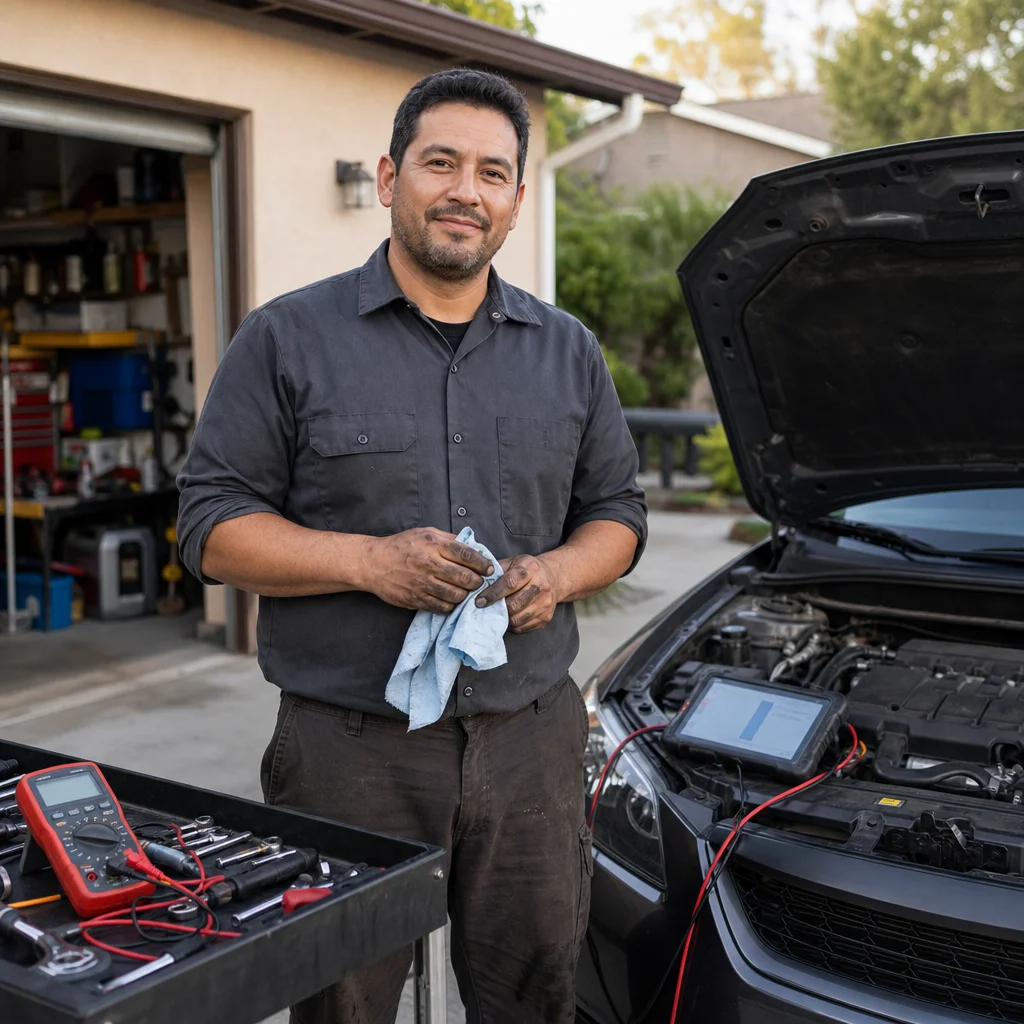
Choosing an independent repair shop isn't just a matter of finding the lowest labor rate. You’re deciding who will diagnose a problem, recommend repairs, handle your vehicle, and explain what happens if the first repair doesn’t solve the issue. A shop can be honest and competent without being the cheapest option, while a polished website or a long list of services proves very little by itself.
The strongest candidates make their process understandable. They ask useful questions, distinguish confirmed faults from possibilities, provide estimates before doing additional work, and keep records that help you make informed decisions. You can evaluate those qualities before authorizing a major repair.
Start with the kind of help you need
Independent shops vary considerably. One may be well equipped for routine maintenance and common brake or suspension work but send complex electrical problems elsewhere. Another may specialize in a particular brand, diesel vehicles, hybrid systems, transmissions, or collision-related mechanical issues. “Independent” describes ownership, not a uniform level of expertise.
Before calling, define the problem as specifically as you can. Note warning lights, noises, temperatures, speeds, road conditions, recent work, and whether the symptom is constant or intermittent. If the vehicle is unsafe to drive, arrange transportation rather than using a shop’s willingness to accept a risky drive as evidence of good service.
Look for a shop whose normal work matches your need. A general repair facility may be a sensible choice for maintenance and ordinary repairs, but a vehicle with manufacturer-specific electronic faults might need brand-specific diagnostic equipment or a specialist. The best shop for a brake inspection isn’t necessarily the best shop for a high-voltage hybrid battery problem.
Build a short list from specific evidence
Personal recommendations can be useful, especially when the person describing the experience can explain what was repaired and how the shop handled a complication. “They’re great” is less informative than “They identified a wiring fault, explained the testing, gave me an estimate, and called when the repair changed.”
Use reviews as a source of patterns rather than as a vote count. Look for repeated comments about communication, diagnosis, estimate changes, warranty handling, and whether customers received explanations. A few complaints don’t automatically disqualify a business, but repeated allegations of unexplained charges, pressure to authorize work, or unresolved repeat failures deserve attention.
A shop’s website can help you identify services, technicians’ training, affiliations, and equipment, but treat those statements as starting points. You can also check whether the business is in good standing with relevant state or local agencies and whether any complaint or licensing information is available in your area. These details can change, so verify them through current official sources rather than relying on an old directory entry.
Confirm the shop’s current credentials: Before booking specialized or expensive work, verify the business’s present address, contact information, stated certifications, warranty terms, and any applicable state or local registration requirements. Ask the shop to explain what its credentials cover rather than assuming a logo or affiliation guarantees a particular result.
Call two or three candidates with the same description of the problem. Pay attention to the questions they ask. A careful service adviser may need to know the vehicle’s year, make, model, engine, mileage, warning lights, drivability, and recent repairs. Someone who promises an exact repair price without seeing the vehicle may be quoting a common fix, not diagnosing your vehicle.
Ask how diagnosis and authorization work
The most revealing questions concern the shop’s process. Ask whether there is a separate diagnostic charge, what that charge includes, and whether it will be applied to the repair if you authorize the work. Clarify whether the technician will contact you before exceeding a stated dollar amount or performing additional work.
Ask for a written estimate that identifies the recommended repair, parts, labor, shop supplies or other charges, taxes, and the conditions that could change the price. An estimate may reasonably include a range when a vehicle has to be disassembled before the full problem is visible. The important point is that the shop explains what is known, what is uncertain, and when it will ask for permission to continue.
A good diagnosis should connect evidence to a conclusion. For example, a technician might explain that a charging-system warning led to voltage tests, belt inspection, and a test of the alternator circuit. That is more useful than simply saying the alternator “looks bad.” Diagnostic certainty varies, particularly with intermittent electrical problems, so a reputable shop should be willing to discuss the limits of its findings.
Ask these questions in plain language:
- What tests have confirmed the problem?
- What other causes were considered or ruled out?
- Is this repair urgent, or can it wait safely?
- What could happen if I delay it?
- Are there related parts that are worn, or are they required for this repair?
- Will you show me the failed part or provide test results?
- What happens if the symptom returns after the repair?
You don’t need the technician to guarantee that a complicated fault will be found immediately. You do need a clear plan for what happens next if the initial repair doesn’t resolve it.
Compare estimates without reducing them to a total
Two estimates can differ for legitimate reasons. Parts may come from different supply channels, carry different warranties, or have different quality levels. Labor times may reflect different procedures, access to information, or whether a shop includes diagnosis separately. One quote may include an alignment, fluid service, programming, or disposal fee that another leaves out.
Ask each shop to identify the part brand or quality category, warranty duration and coverage, labor rate, diagnostic charge, and any additional fees. For some repairs, the exact part specification matters. A low-priced sensor, battery, or brake component may not perform like the part originally recommended, while the most expensive option may offer little practical benefit for your vehicle and use.
Separate necessary work from recommendations. A shop may notice aging belts, leaking dampers, or tires nearing replacement while inspecting another problem. That information can be valuable, but it should be clear whether the item is required now, advisable soon, or simply worth monitoring. You can then prioritize repairs according to safety, reliability, and budget.
Be cautious when a quote contains a long list of vague package items, unexplained fees, or urgent language without supporting evidence. It’s also reasonable to ask whether the shop will return replaced parts. In some situations, a part may need to be returned to a supplier for a warranty claim, so agree on what you’ll be shown and what will remain available.
Pay attention to records and warranty handling
A professional repair record should make the vehicle’s history easier to understand. It should identify the date, mileage, work performed, parts used when relevant, and any recommendations that were deferred. Keep invoices, diagnostic results, alignment sheets, and warranty paperwork together. These records help another technician avoid repeating tests and can support a later warranty discussion or vehicle sale.
Ask who backs the parts and labor warranty and how a claim is handled. Some coverage may require you to return to the original shop, while parts manufacturers and third-party warranty providers can have separate conditions. Confirm whether coverage applies nationwide or only at the installing location, and whether towing, diagnosis, or related damage is included. Warranty terms are contractual and can vary, so read the current written terms instead of relying on a verbal summary.
If you have a manufacturer, extended-service, fleet, or other third-party warranty, ask whether the shop is authorized to handle that claim and whether preapproval is required. An independent shop can often perform covered work, but the agreement—not the shop’s general reputation—controls what is reimbursed.
Handle difficult and high-stakes situations carefully
Intermittent problems are an important edge case. A shop may be unable to reproduce a fault during the first visit, especially when it depends on weather, engine temperature, vibration, or a particular driving pattern. That doesn’t automatically mean the shop is incompetent. Ask what data would make the next visit more useful, whether a scan tool can capture stored or pending information, and what diagnostic limit you will pay for before the shop calls.
For a vehicle with multiple warning lights, severe overheating, loss of braking, fuel leakage, smoke, or an unsafe steering problem, prioritize immediate risk reduction over shopping for the perfect estimate. Have the vehicle towed if continuing to drive could cause a crash or major damage. A shop that recommends stopping use for a credible safety reason should explain the concern and the evidence behind it; you can seek a second opinion after the vehicle is secure.
A second opinion is particularly sensible when the repair is expensive, the diagnosis is uncertain, or the proposed work wouldn't address the symptom you reported. Give the second shop the first estimate and diagnostic information, but ask for an independent assessment rather than simply asking whether it can beat the price. Sharing incomplete or misleading information can make a fair comparison harder.
If communication breaks down, document dates, conversations, authorizations, invoices, and symptoms. First ask the shop’s manager or owner to review the concern. If the issue involves a warranty, payment dispute, or suspected violation of local requirements, consult the applicable written agreement and current consumer resources in your state. Procedures and remedies differ by location, so avoid assuming that a rule from another state applies to you.
Recognize the difference between confidence and pressure
A reputable shop doesn’t have to tell you that every repair will be cheap or easy. It should be able to explain uncertainty without hiding behind it. Confidence sounds like a reasoned test plan and a clear authorization limit. Pressure sounds like an unexplained deadline, a refusal to discuss alternatives, or a claim that you must approve unrelated work immediately.
You can ask for time to review a non-emergency estimate. You can decline work that isn’t necessary now, although you should understand the safety or reliability consequences. You can also ask whether the vehicle is appropriate for continued use while you decide. The answer should be specific to the condition found, not a generic attempt either to frighten you or dismiss the risk.
The right independent shop is the one that combines relevant capability with transparent communication. Start by matching the shop to the repair, then test its process with questions about diagnosis, authorization, parts, records, and warranty coverage. Compare complete estimates rather than totals alone, and treat safety concerns and uncertain diagnoses with appropriate caution. Those steps won’t eliminate every repair surprise, but they make it much easier to recognize a sensible recommendation and make a decision you can defend.