What Causes a Delay When Shifting From Reverse to Drive?
I’ll clarify why an automatic transmission may hesitate before engaging Drive after Reverse, how fluid, pressure, wear, temperature, and electronics are connected, and which tests can separate a minor delay from developing transmission trouble.
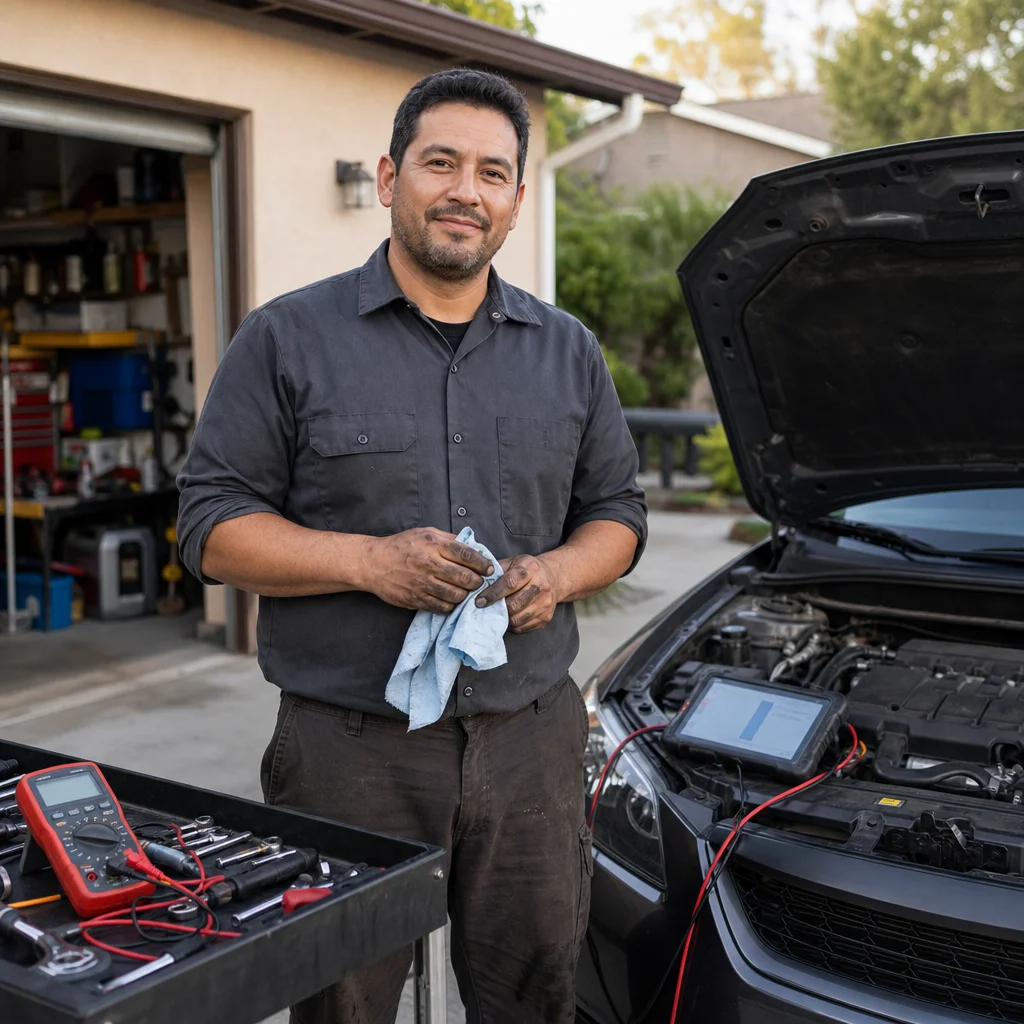
A brief pause when you move the selector from Reverse to Drive can be normal, especially if you shift before the vehicle has completely stopped. A noticeable or worsening delay, however, means the transmission may not be building or applying hydraulic pressure as it should. Continuing to drive without understanding the cause can turn a manageable maintenance issue into expensive internal damage.
The delay is often described as a few seconds before Drive engages, followed by a sudden lurch. In other cases, the engine revs but the car barely moves until Drive finally applies. Several different faults can produce similar symptoms, so replacing a solenoid or adding fluid based on guesswork is rarely the best first step.
What happens inside the transmission
An automatic transmission uses fluid pressure to apply clutch packs and bands that connect the engine’s power to the selected gear. When you move the selector from Reverse to Drive, the transmission’s control system commands the appropriate valves and solenoids. Fluid is then routed through passages to apply the forward clutch or other required components.
That process isn't instantaneous. A short, consistent engagement time can be part of normal operation, particularly when the transmission is cold. The concern is a delay that is longer than usual, changes from one shift to the next, or ends with a harsh bang. Those patterns suggest that pressure is taking too long to build, a component is slow to respond, or the control system isn't making the expected command.
The shift should also be made only after the vehicle has stopped. Selecting Drive while the vehicle is still rolling backward forces the transmission to change direction under load. Doing that repeatedly can accelerate wear and can make a normal pause seem like a transmission fault.
Low, incorrect, or degraded transmission fluid
Fluid level is one of the simplest possibilities, but checking it isn't always simple. Some transmissions have a dipstick, while others are designed to be checked through a service plug at a specified fluid temperature. The vehicle may also need to be level, running, or in a particular selector position during the check.
If the level is low, the pump can draw air or lose the supply it needs to maintain pressure. Engagement may then be delayed, especially after the vehicle has been parked for a while. Fluid can drain back from parts of the transmission, leaving the system to refill passages and clutch circuits after you select Drive.
The fluid itself can also be part of the problem. Old, overheated, or contaminated fluid may not flow or control friction as intended. A strong burnt odor, very dark fluid, or visible debris deserves attention, although fluid color by itself isn't a reliable diagnosis. A transmission that is already slipping or badly worn may not be repaired by a fluid change, and an incorrect fluid can create additional shift problems.
Check the fluid procedure first: Use the owner’s manual or a manufacturer service procedure for the exact fluid type, level-check method, temperature range, and selector position. Don't assume that a universal fluid, a dipstick check, or a fluid flush is appropriate for every transmission.
A leak is often the reason a fluid level becomes low. Look for wetness around the transmission pan, axle seals, cooler lines, electrical connectors, and the area between the engine and transmission. A small leak can become significant without leaving a large spot on the ground, because fluid may collect on underbody panels or spread while driving.
Hydraulic pressure and worn internal parts
Even with the correct fluid level, the transmission may not produce or retain enough hydraulic pressure. A worn pump, restricted filter, leaking seal, sticking valve, or damaged passage can allow pressure to bleed off. The result is a delay while the transmission fills the circuit that applies Drive.
Internal seals become less flexible with age and heat. A seal that leaks more when cold may cause a longer delay at startup, while a worn component may leak more after the transmission warms up. Temperature patterns are useful clues, but they don't identify the failed part by themselves.
The forward clutch and related friction components can also wear. If they are badly worn, the engine may rev during the delay or the transmission may slip after Drive engages. A burnt smell, repeated flare in engine speed, delayed engagement in more than one gear, or metal and friction material in the fluid raises the likelihood of internal wear.
A transmission pressure test can help distinguish a supply problem from a control or internal leakage problem. A technician connects a gauge to specified test ports and compares readings during relevant operating conditions. The results have to be interpreted against the correct service information; a pressure number without the required temperature, gear, and engine condition isn't very useful.
Temperature changes the behavior
Cold fluid is thicker and moves through small passages more slowly. A transmission with marginal seals, a restricted filter, or a weak pump may show a delay only when cold. If the delay largely disappears after several minutes of driving, that pattern still deserves attention, but it points toward a temperature-sensitive condition rather than proving that the transmission is healthy.
Heat can create a different pattern. Excessive temperature thins the fluid and can increase leakage past worn seals. It can also affect friction materials, valve operation, and electronic components. Delayed engagement that appears after long drives, in traffic, while towing, or on steep grades should be treated as a warning of possible heat-related stress.
The engine coolant temperature and transmission temperature information may come from sensors that the control module uses to adjust shift timing and pressure. A faulty temperature reading can cause poor control even when the actual fluid level and mechanical parts are acceptable. Comparing the reported temperature with the vehicle’s actual condition is part of proper diagnosis.
Solenoids, sensors, and electronic controls
Modern automatic transmissions use solenoids to direct fluid and regulate pressure. A sticking solenoid, damaged wiring connector, poor electrical connection, or failing valve-body circuit can delay the command that applies Drive. Debris or varnish can make a valve move slowly, producing an intermittent symptom that is difficult to reproduce.
The transmission control module may also adapt pressure and timing based on clutch wear and previous shifts. Lost, incorrect, or corrupted adaptation values can sometimes cause poor engagement after a battery replacement, module work, or other service. That doesn't mean a relearn procedure is the cure for every delay. The underlying fluid, pressure, and mechanical conditions should be considered first.
A diagnostic scan can reveal transmission fault codes, pending codes, temperature readings, commanded gear, and sometimes pressure or solenoid data. No stored code doesn't rule out a mechanical problem. A system can operate outside its ideal range without crossing the threshold that triggers a warning light.
Other problems that can feel like delayed engagement
The transmission isn't the only possible source of a jolt or pause. A worn engine or transmission mount can make a normal engagement feel like a sharp knock because the powertrain moves when Drive applies. Excessive driveline play, a damaged axle, or a problem in a transfer case on a four-wheel-drive vehicle can create related symptoms.
Selector linkage or range-sensor problems can also cause confusion about what gear has been requested. If the dashboard indicator doesn't match the selected position, or if Reverse, Neutral, and Drive behave inconsistently, the range-sensing system needs to be checked rather than treating the problem as simple fluid wear.
A useful distinction is whether the engine speed rises without corresponding vehicle movement. That suggests slipping or incomplete clutch application. If the vehicle engages immediately but clunks hard, mounts, excessive pressure, incorrect control, or driveline play may be more relevant than a slow hydraulic fill.
A sensible diagnostic sequence
Start by recording the conditions instead of repeatedly shifting between Reverse and Drive. Note how long engagement takes, whether the transmission is cold or hot, whether the delay occurs after parking overnight, and whether the engine revs before the vehicle moves. Also note warning lights, fluid leaks, unusual noises, and whether other gears are affected.
Confirm that you are selecting Drive only after coming to a complete stop. Then check for leaks and verify the fluid level using the correct procedure. If the fluid is low, adding the specified fluid may prevent further damage, but it doesn't replace finding the leak. Avoid overfilling; excess fluid can become aerated and reduce reliable pressure control.
The next step is a scan with equipment that can communicate with the transmission module, not just a basic code reader that checks the engine computer. Codes and live data can point toward a sensor, solenoid, temperature, or communication issue. They should be used with the observed symptoms rather than treated as automatic proof that a named part has failed.
If the issue continues, pressure testing and a road test under controlled conditions can provide more useful evidence. These tests may require access to service information, specialized adapters, and safe lifting equipment. A repair shop should be able to explain whether the evidence points to fluid service, electrical diagnosis, valve-body work, or internal transmission repair.
When to limit driving
A minor, consistent delay with no slipping, harsh engagement, leak, warning light, or unusual odor may allow you to arrange a prompt inspection without treating the vehicle as immediately disabled. Keep driving gentle and avoid towing, steep hills, and repeated shifting maneuvers until the cause is clearer.
Stop using the vehicle and arrange professional help if Drive takes several seconds to engage, the engine races while the vehicle barely moves, engagement ends with a severe bang, fluid is leaking heavily, or the transmission won't reliably select a gear. Loss of propulsion in traffic can create a safety risk, and continued slipping can rapidly increase repair costs.
The most reliable long-term approach is to diagnose the delay before choosing a repair. Correct fluid and leak repairs can address a maintenance problem, while pressure testing and electronic checks can expose control faults. If those tests show worn clutches, seals, or other internal parts, a transmission specialist can compare repair, rebuild, replacement, and vehicle-value considerations. A brief pause may be harmless, but a changing pattern is useful early evidence that shouldn't be ignored.