When Should You Replace Engine Coolant Instead of Just Topping It Up?
A low coolant level can point to a leak, routine service, or a simple measurement mistake. I’ll help you decide when topping up is reasonable, when a full coolant change makes sense, and why repeated fluid loss needs diagnosis first.
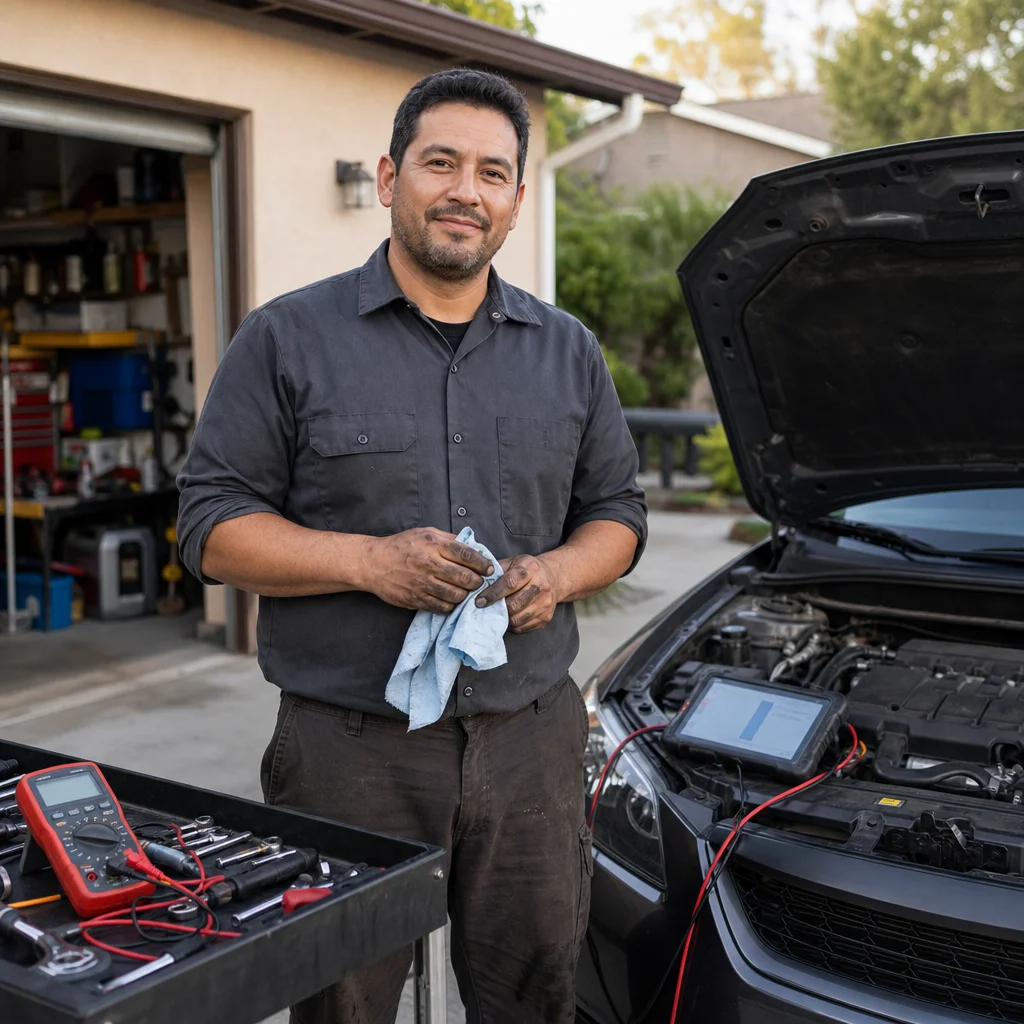
Low coolant doesn't automatically mean the entire cooling system needs new fluid. The level may be low because of a small leak, recent repair, trapped air, evaporation from an improperly sealed system, or a coolant service that was never completed correctly. Topping up can restore the level, but it may only hide the reason it dropped.
The right choice depends on three questions: Is the coolant level actually low, is the existing coolant still suitable, and is the engine losing fluid? Answering those in order helps you avoid both unnecessary coolant changes and the more serious mistake of driving with an undiagnosed leak.
Top up when the level is low but the coolant is otherwise suitable
Topping up is generally the appropriate short-term action when the reservoir is below its marked range, the engine is cold, and there is no sign of a leak or coolant contamination. Check the level on a level surface and compare it with the markings on the expansion tank or recovery reservoir. The markings are usually intended to be read when the engine is cold, because coolant expands as it warms.
Use the coolant specified for your vehicle, preferably the same type and concentration already in the system. “Universal” coolant isn't automatically the best choice simply because it is widely available. Coolant formulations use different additive packages, and mixing incompatible products can reduce corrosion protection or create deposits. Your owner’s manual, the coolant label, or a parts supplier with access to your vehicle’s specifications can help identify the correct product.
If you are using concentrated coolant, mix it with the appropriate type of clean water according to the vehicle or product instructions. Premixed coolant is simpler because it is ready to use. Don't fill the system with plain water as a normal solution; it doesn't provide the required freeze protection, boiling protection, or corrosion inhibitors. Water may be an emergency measure in limited circumstances, but the system should then be corrected with the proper coolant mixture as soon as possible.
A small level change between the cold and warm markings can be normal. A reservoir that repeatedly drops below the cold mark isn't something to keep correcting indefinitely. Frequent top-ups are evidence that coolant is going somewhere, even if the puddle is too small to notice.
Replace the coolant when the service is due or the fluid has degraded
A coolant replacement, often called a drain and fill or coolant service, is appropriate when the fluid has reached the service interval specified by the vehicle manufacturer. Intervals vary significantly. Some vehicles use coolant designed for a relatively long service life, while others call for earlier replacement. Time, mileage, coolant chemistry, previous repairs, and the vehicle’s maintenance schedule all matter, so there is no reliable interval that applies to every car.
The coolant may also deserve replacement if it looks contaminated or its condition is clearly poor. Warning signs include rust-colored fluid, visible sediment, an oily film, thick sludge, or a color and appearance that don't match the product normally used in the vehicle. Color alone isn't a dependable way to identify coolant type or condition; different brands and formulations can share similar colors, and some modern coolants have unusual colors.
A scheduled coolant replacement is different from topping up. Topping up restores the level but leaves the old fluid and its depleted additives in the system. A proper replacement removes a substantial portion of the old coolant and refills the system with the correct mixture. Depending on the vehicle, the procedure may also require bleeding trapped air and following a specific refill sequence.
Replacing coolant won't repair a leak. If the level is falling because of a damaged hose, radiator, thermostat housing, water pump, radiator cap, heater core, or another component, fresh coolant will eventually escape too. In that situation, diagnosis and repair take priority over routine fluid service.
Confirm the correct service details: Before draining coolant, check your owner’s manual for the required formulation, refill capacity, bleeding procedure, and replacement interval. Coolant disposal rules vary by location, and used coolant should be collected and handled through an appropriate recycling or waste facility rather than poured onto the ground or into a drain.
Diagnose a leak before repeatedly adding fluid
A leak is more likely when the level drops again after a top-up, when you see wetness or dried residue around cooling-system components, or when there is a sweet coolant smell after driving. Dried coolant can leave a chalky or crusty trail around hose connections, the radiator, the reservoir, or the thermostat housing. Some leaks occur only when the engine is hot and the system is pressurized, so the ground may remain dry.
Look for signs only with the engine cool. Inspect the reservoir, radiator area, visible hoses, hose clamps, belt-side area of the engine, and the underside of the vehicle. Don't reach near belts, fans, or other moving parts while the engine is running. A flashlight can help, but avoid touching components that may still be hot.
The cabin can provide another clue. A sweet smell inside the vehicle, damp carpet near the front footwells, or persistent fogging on the windows may point to a heater-core leak. White vapor from the exhaust after the engine is fully warm, bubbling in the reservoir, milky engine oil, repeated overheating, or unexplained coolant loss can indicate a more serious internal problem. These symptoms deserve professional diagnosis rather than continued topping up.
A cooling-system pressure test is often useful when a visible inspection doesn't reveal the source. A technician or properly equipped repairer can pressurize the system while the engine is off and look for external leaks. Pressure testing should be performed with equipment suited to the vehicle and with appropriate safety precautions; it isn't a reason to remove a radiator cap from a hot engine.
Don't confuse a low reservoir with an empty cooling system
The recovery reservoir and the radiator are connected, but the reservoir level doesn't tell you everything about the system’s condition. On some vehicles, the radiator itself can't be inspected through a conventional cap, while others use a pressurized expansion tank as part of the main cooling system. Follow the inspection procedure in the owner’s manual rather than assuming every vehicle is checked the same way.
If the reservoir is empty, the engine has overheated, or the temperature warning appeared, simply filling the tank may not restore the system safely. Air may have entered, coolant may be leaking rapidly, or the engine may have been damaged by overheating. Let the vehicle cool fully, avoid opening a pressurized cap while hot, and arrange an inspection if the level is substantially low or the warning returns.
Never use the temperature gauge or warning light as permission to keep driving after adding coolant. A normal reading now doesn't prove that the leak has stopped. If the temperature rises, the warning light comes on, steam appears, or the heater suddenly blows cold air while the engine is hot, stop in a safe place and shut the engine off. Continuing to drive an overheating vehicle can turn a cooling-system repair into major engine damage.
Common mistakes that make the problem worse
One common mistake is adding coolant without first confirming that the engine is cold. Hot coolant and steam can cause severe burns, and opening a pressurized cap can release them suddenly. Another is filling above the maximum mark. Excess fluid has to expand somewhere, and an overfilled reservoir may push coolant out as the engine reaches operating temperature.
Mixing products is another avoidable problem. If you don't know what is already in the system, don't guess based only on color. Use the vehicle’s specification and consider having the system inspected or flushed when the existing fluid is unidentified, contaminated, or incompatible with the required coolant.
It is also easy to mistake a routine top-up for a completed repair. Write down the date and approximate amount added, then check the level again under the same cold conditions after the vehicle has been driven. A single small correction may be harmless; a pattern of repeated additions is useful diagnostic information and shouldn't be ignored.
A sensible decision for most vehicles
Top up when the level is modestly low, the engine is cold, the coolant type is known, and there are no signs of leakage or overheating. Replace the coolant when the manufacturer’s service schedule calls for it, when the fluid is degraded or contaminated, or when an appropriate repair procedure requires draining the system. Diagnose the cooling system first when the level keeps falling, the engine has overheated, or you notice leakage or contamination.
After any refill or coolant replacement, monitor the level and the temperature over the next several drives. The system may need a specific air-bleeding procedure, and a level that changes significantly after service can indicate trapped air or a leak. If the refill process, coolant specification, or source of fluid loss is uncertain, having a qualified technician handle the diagnosis is usually safer and less expensive than repeatedly adding the wrong fluid.