When Is an Impact Wrench Helpful and When Is It Risky?
I’ll explain when an impact wrench saves time and when it can create expensive problems, so you can remove stubborn fasteners without damaging studs, delicate parts, or threads—and still finish critical fasteners at the correct torque.
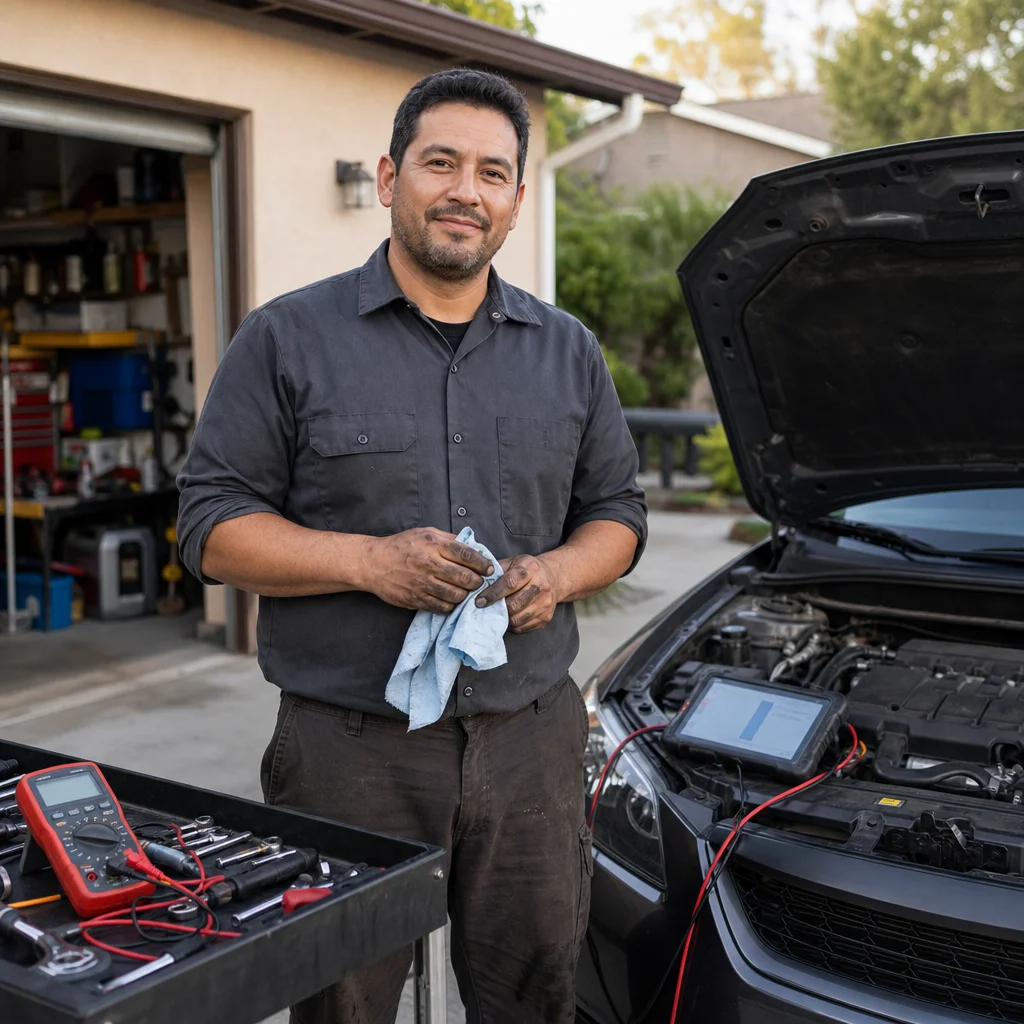
An impact wrench can turn a difficult repair into a manageable one, but it can also damage a fastener before you realize anything is wrong. The tool is most helpful when you need controlled removal of stubborn, large fasteners; it becomes risky when you use its speed and force for delicate parts or assume it can replace a torque wrench.
For most DIY work, the safest approach is to treat an impact wrench primarily as a removal tool. Use it to loosen suitable fasteners, then install important hardware by hand and finish with a calibrated torque wrench. That simple division of labor protects threads and gives you a better chance of meeting the vehicle manufacturer’s torque specification.
What an impact wrench does well
An impact wrench combines motor power with repeated hammering impacts. Instead of applying one continuous twisting force, it delivers short bursts of torque through the socket. Those impacts can break loose fasteners that a regular ratchet can't, particularly when rust, corrosion, dirt, or previous over-tightening has increased the resistance.
That makes the tool useful for lug nuts, suspension hardware, brake-component fasteners, and other robust fasteners when the socket fits correctly and the vehicle manufacturer’s service instructions don't prohibit impact use. It is also helpful when you have many similar fasteners to remove, such as during wheel or underbody work. A cordless model can be convenient for roadside or driveway repairs, while an air-powered wrench can provide strong, consistent performance when paired with a suitable compressor.
The impact mechanism is especially useful for removal because the force arrives in pulses. A stubborn nut may loosen without requiring you to put your full body weight on a long breaker bar. Even so, the tool doesn't eliminate the need for judgment. If a fastener is seized, turning unusually slowly, or beginning to deform, more impact isn't always the answer. Penetrating fluid, heat used appropriately, a breaker bar, or professional assistance may be safer choices.
When it becomes risky
The main risk is that an impact wrench can apply more torque than the fastener or component can safely handle. The tool may keep tightening after the threads have seated, especially on a low setting that is still too powerful for the application. Excessive torque can stretch or break a bolt, damage a wheel stud, distort a brake component, or make the fastener difficult to remove during the next repair.
It can also hide problems. A socket that is slightly too large, a nut that is cross-threaded, or a bolt that is entering at an angle may continue turning under impact. By the time the tool stops, the threads may already be damaged. A hand ratchet provides more feedback: you can feel resistance, binding, and misalignment before the problem becomes expensive.
Delicate components deserve particular caution. Avoid using an impact wrench directly on small fasteners, sensors, aluminum housings, plastic parts, thin brackets, fluid fittings, and components with internal moving parts unless the service procedure specifically permits it. Spark plugs, oxygen sensors, caliper guide-pin hardware, drain plugs, and small engine or interior fasteners are common examples where hand tools provide better control. The exact risk depends on the vehicle and fastener, so check the service information rather than relying only on the part’s appearance.
Confirm the fastening limits first: Before using impact on a vehicle component, check the owner’s manual or repair information for the fastener’s torque specification, tightening procedure, and any warning against impact tools. If the instructions call for a special sequence, angle tightening, new bolt, or thread lubricant, follow that procedure instead of improvising.
Wheel studs and lug nuts need special care
Wheel work is where many DIYers reach for an impact wrench, and removal is usually where it offers the most benefit. A correctly sized impact socket can quickly loosen lug nuts that have been tightened too much or exposed to corrosion. Keep the socket square on the nut, use the lowest useful power setting, and stop as soon as the nut breaks free.
Don't use the impact wrench to drive a lug nut rapidly onto a wheel stud. The nut can start crooked, cross-thread the stud, or clamp the wheel before the mating surfaces are properly seated. An impact can also over-tighten the nut, stretch the stud, damage the wheel, or make a later roadside removal difficult. Start every lug nut by hand for several turns. If it won't spin smoothly, remove it and inspect the threads rather than forcing it.
For installation, snug the lug nuts by hand or with a hand tool, lower the vehicle enough to keep the wheel from rotating, and use a torque wrench for the final tightening. Tighten in the pattern specified for the wheel, commonly a crisscross or star pattern, so the wheel seats evenly. The correct torque is vehicle-specific; don't substitute a generic value or assume that all wheels on the same vehicle use identical hardware.
A torque stick or low-power impact setting may help bring lug nuts close to their intended tightness, but it isn't a substitute for final torque verification. Actual results can vary with the tool, air pressure or battery condition, impact duration, socket condition, thread cleanliness, and lubrication. A torque wrench is the more dependable final check when the manufacturer specifies a value.
A safer removal-and-installation method
Before picking up the impact wrench, identify the fastener, inspect the surrounding area, and select a six-point impact-rated socket that fits tightly. Standard chrome sockets can crack under impact use, while a loose or worn socket can round the fastener. Wear eye protection, keep the vehicle securely supported, and never work under a vehicle held only by a jack.
Use the tool at its lowest effective setting. Hold it straight in line with the fastener, apply short bursts, and pause to see whether the nut or bolt is moving. If it doesn't loosen after reasonable attempts, stop and reassess. More trigger time can break a fastener, spin a captured nut, or damage the part without solving the underlying problem.
Once the fastener is loose, switch to a hand ratchet when practical. This lets you notice damaged threads, a bolt that is binding, or a component that is turning when it should remain stationary. Keep removed hardware organized, especially when several fasteners look similar but have different lengths or shoulder designs.
During reassembly, clean only the mating threads and surfaces as the service instructions allow. Don't automatically add oil or anti-seize: lubrication changes the friction and can cause a fastener to receive more tension than intended at the same torque setting. Start bolts and nuts by hand, tighten them gradually, and use the specified torque procedure for the final pass.
Impact wrench or impact driver?
An impact wrench is designed for larger automotive fasteners and normally uses a square drive for sockets, such as a 1/2-inch drive on a common DIY model. An impact driver is a smaller tool intended mainly for screwdriver bits and smaller hex-shank accessories. Adapters may make the tools look interchangeable, but they aren't automatically suitable for the same loads or fasteners.
For wheel lugs and suspension hardware, use an appropriately rated impact wrench and impact sockets. For small screws or light-duty bolts, an impact driver may still be too aggressive. The smaller fastener can strip or shear before the tool’s impacts seem excessive. A regular ratchet, screwdriver, or hand-controlled driver is often the better choice when feedback matters more than speed.
Power ratings also need context. A manufacturer’s maximum breakaway or fastening figure may be measured under particular conditions and doesn't tell you exactly what torque the tool will deliver on your vehicle. Battery charge, hose size, compressor capacity, extension bars, universal joints, and socket fit can all affect performance. Choose a tool with adjustable power, but continue to rely on the vehicle’s specification and a torque wrench for critical tightening.
Signs you should stop using impact
Stop if the socket slips, the fastener head begins to round, the bolt turns without advancing, or the surrounding component starts moving unexpectedly. Also stop when a nut becomes unusually hot, a stud appears to be twisting, or you hear cracking rather than the normal impact sound. These signs suggest a poor fit, seized threads, damaged hardware, or a component that needs a different repair method.
A seized fastener may require penetrating fluid and time to work. In other cases, controlled heat, a breaker bar, locking pliers, extraction tools, or replacement hardware may be appropriate. Heat isn't safe near fuel, brake fluid, wiring, plastic, sealed bearings, or other heat-sensitive parts unless you understand the risks and have the proper equipment. If access is poor or the fastener is part of steering, suspension, braking, or a pressurized system, handing the job to a qualified mechanic can prevent a small problem from becoming a safety issue.
Never use an impact wrench to compensate for an uncertain diagnosis. If the tool is being used simply because a part won't come apart, first confirm that you are turning the correct fastener and that there is no retaining clip, reverse thread, hidden nut, or required release procedure. Vehicle designs vary, and force can't correct an incorrect repair sequence.
The practical rule
Use an impact wrench where its strengths match the job: removing sturdy, stubborn fasteners efficiently with a properly fitted impact socket and controlled bursts. Avoid it where the fastener is small, the component is delicate, the threads are easy to damage, or you need precise tightening rather than quick removal.
For most home repairs, the sensible routine is simple: inspect first, use impact power cautiously for removal, start replacement hardware by hand, and finish critical fasteners with a torque wrench. Verify the vehicle-specific specification and tightening sequence, then recheck your work before driving. That approach gives you the time-saving benefit of an impact wrench without treating a powerful tool as a substitute for careful assembly.