What Causes a Clunk Over Small Bumps?
A clunk over small bumps may come from worn suspension parts—or something loose inside the vehicle. I’ll show you the first checks that help separate harmless trim noise from repairs worth diagnosing promptly, without replacing parts by guesswork.
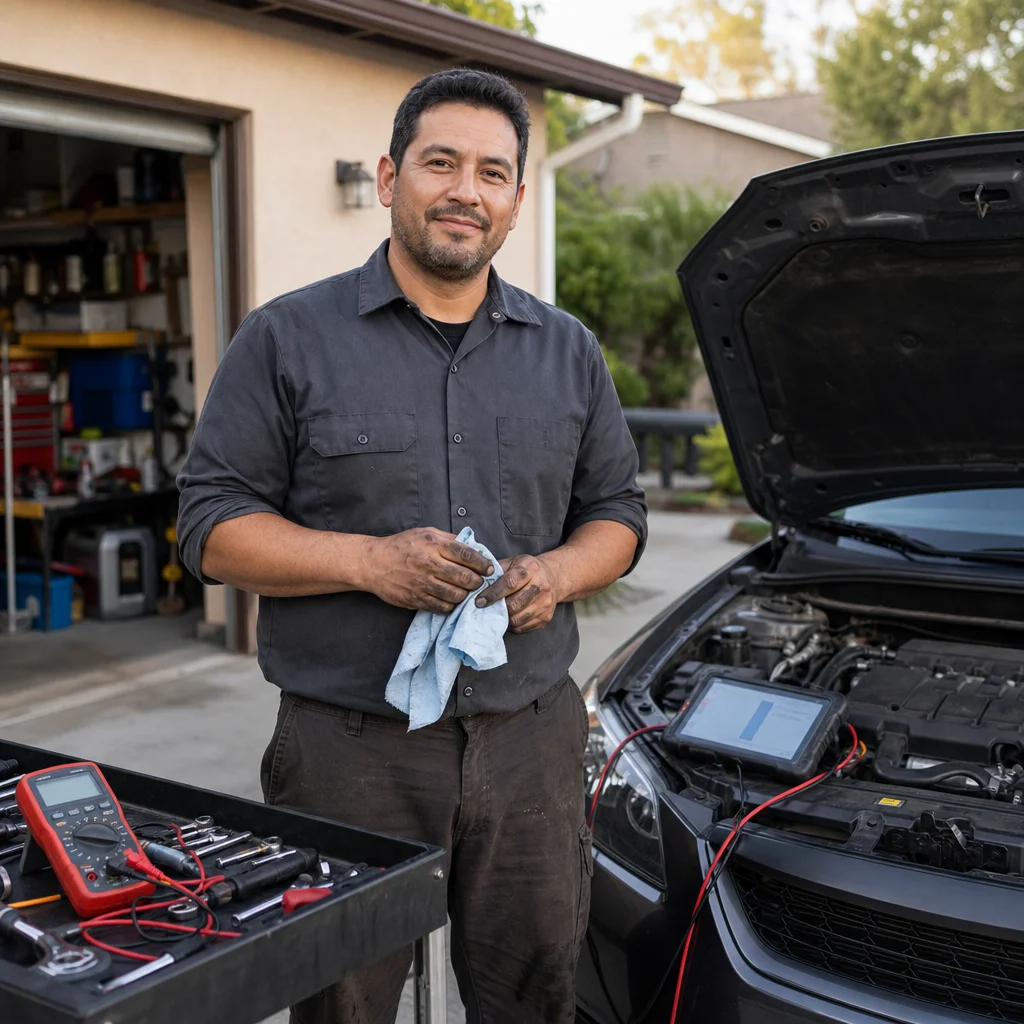
A clunk over small bumps is often more noticeable at low speed than over larger dips. That detail can point toward a suspension joint or link moving through a small amount of play, but it can also come from a loose tool, spare tire, exhaust shield, or interior panel. The sound alone usually isn’t enough to identify the part.
The most cost-effective approach is to start with simple observations, then inspect the likely components in a sensible order. You’re looking for a pattern: when the noise occurs, where it seems to come from, and whether it changes when you steer, brake, accelerate, or drive over one wheel at a time.
Start by describing the clunk
Pay attention to the conditions that produce the noise. A clunk over a single small bump may indicate movement in one side of the suspension. A noise when both front wheels rise together can involve a different component, such as a sway-bar assembly, strut mount, or something attached to the body. If the sound happens mainly while turning into a driveway, braking, or accelerating, the list changes again.
Drive slowly over a familiar rough section with the windows down. Avoid deliberately hitting potholes or repeatedly stressing the vehicle. Note whether the clunk is at the front or rear, left or right, and whether it occurs when the suspension compresses, rebounds, or both. Have a passenger listen only if doing so won’t distract the driver.
Also empty the trunk, cargo area, door pockets, and glove box. Check that the spare tire, jack, lug-wrench handle, floor panels, and removable cargo accessories are secured. A loose object can imitate a suspension noise surprisingly well, and checking it costs nothing.
Common suspension causes
Sway-bar links and bushings
Sway-bar, or stabilizer-bar, links are among the common causes of a small, sharp clunk. The bar connects the left and right sides of the suspension and helps limit body roll. Its links contain small ball-and-socket joints or bushings, depending on the design. When those joints wear, the link can move abruptly as the suspension travels over uneven pavement.
A worn link often produces a light metallic or tapping clunk over repeated small bumps. The sound may be more obvious when one wheel moves over a bump before the other. Sway-bar bushings can also harden, crack, or lose their grip on the bar. Their noise may be less distinct and can seem to come from the middle of the front or rear suspension.
A visual inspection may reveal a torn dust boot, a visibly damaged bushing, or hardware that doesn’t appear seated correctly, but worn internal joints aren’t always obvious. Don’t assume the side that sounds loudest is the only side needing attention; suspension components are often inspected in pairs because they experience similar use.
Strut mounts and upper bearings
On vehicles with MacPherson struts, the upper strut mount attaches the strut assembly to the body. Many designs also include a bearing that allows the strut to turn with the steering. Wear in the mount or bearing can create a clunk over bumps, a creak while turning, or a rough, notchy feeling as you rotate the steering wheel.
A mount-related noise may be easier to notice at the front of the vehicle, particularly when entering a driveway at an angle. If the clunk occurs while the vehicle is stationary and you turn the steering wheel, that provides a useful clue, although it doesn’t prove the mount is faulty. Other steering and suspension parts can make similar noises.
Replacing a strut mount can require removing the strut assembly. Compressing a coil spring is hazardous without the correct equipment and technique, so this is generally not a beginner repair even when the diagnosis seems straightforward.
Control-arm bushings and ball joints
Control arms guide the wheel as the suspension moves. Rubber or rubber-like bushings allow controlled movement where the arm attaches to the vehicle, while ball joints allow the steering knuckle to pivot. A damaged bushing can cause a dull clunk, especially during braking, acceleration, or transitions from level pavement to a bump.
A worn ball joint may produce a clunk over bumps, but it can also affect steering feel, tire wear, or the vehicle’s ability to track straight. Some designs provide a visible inspection point, while others hide the joint or require a specific loading procedure for an accurate check. A ball-joint problem deserves more urgency than an annoying trim rattle because excessive wear can compromise wheel control.
Look for torn bushings, separated rubber, grease escaping from a damaged dust boot, or a wheel that appears to sit differently from the other side. These observations are clues, not a substitute for a proper hands-on inspection. The suspension may need to be loaded or unloaded in a particular way to reveal play.
Loose suspension hardware
A loose nut, bolt, bracket, or underbody shield can make a sharp clunk that sounds much like a worn part. Recent suspension work is especially relevant. If the noise began after strut, brake, wheel, exhaust, or tire work, recheck the areas that were disturbed rather than immediately buying replacement components.
Don't simply tighten a suspension fastener by feel. Some fasteners have specified torque values, and certain designs require tightening at a particular suspension height. Use the vehicle’s service information or a reliable repair manual for the correct procedure. A bolt that is too loose can allow movement; one that is overtightened can damage threads, bushings, or other parts.
Noises that aren’t suspension problems
An exhaust hanger, heat shield, or underbody cover can rattle or clunk as the body moves. With the engine and exhaust fully cool, look for a shield that is loose, a hanger pulled out of position, or a panel that can move by hand. Never reach near hot exhaust components, and don’t push hard on parts that could be under tension.
A brake component can also make a noise over bumps. Loose anti-rattle hardware, a caliper-related issue, or excessive movement in a brake component may create a knock near a wheel. If the clunk comes with pulling, grinding, reduced braking, a brake warning light, or a change in pedal feel, treat it as a brake concern rather than a simple noise diagnosis.
Interior trim, a seat latch, a folding rear seat, or a door-mounted object can produce a hollow knock. While parked, check that the seats and seatbacks latch securely and that the doors and liftgate close normally. A noise that disappears when the cargo area is emptied is useful information and may save you from an unnecessary suspension repair.
Check safely before lifting the vehicle: Use the owner’s manual for the proper lifting points and support the vehicle with correctly rated jack stands on solid, level ground. Never work beneath a vehicle supported only by a jack, and keep your hands away from moving steering and suspension parts during tests.
A sensible inspection order
Begin with the easiest checks: remove loose cargo, confirm the spare and jack are secured, inspect visible underbody panels, and consider whether recent work preceded the noise. Next, compare the left and right sides for obvious damage, missing hardware, leaking grease, torn boots, or bushings that are visibly separated.
If you’re comfortable inspecting with the vehicle safely supported, look for looseness without placing yourself in a position where a shifting component could trap your hands. A pry bar can damage bushings or create a misleading movement if used carelessly, so it’s better to follow a service procedure than to apply force randomly. A flashlight and an inspection mirror are often more useful than a large collection of tools.
Avoid replacing sway-bar links, strut mounts, and control arms one after another simply because each is capable of making a clunk. A technician can often locate the source with a lift inspection, a chassis ear or listening tool, and controlled checks of the joints. Paying for diagnosis can be less expensive than buying several parts that don’t solve the problem.
When to stop driving and get help
Arrange a prompt professional inspection if the clunk is accompanied by loose or wandering steering, uneven tire wear, pulling, a steering wheel that no longer sits normally, repeated banging, visible suspension damage, or a change in braking. Stop driving and have the vehicle transported if a wheel appears unstable, a suspension component is broken, or steering control is impaired.
A mild noise with no change in handling may not indicate an immediate failure, but it still deserves attention if it is getting louder or more frequent. Suspension wear can progress, and a small amount of play in one component can place extra stress on nearby parts.
The best money-saving decision is to identify the operating condition before choosing a repair. Check for loose objects and recent-work issues first, then narrow the possibilities by location and driving behavior. If the evidence points to a suspension or steering joint—or you can’t safely inspect it—pay for a focused diagnosis rather than guessing at replacement parts.