Why Does the Steering Wheel Pull to One Side When Braking?
I’ll compare the likely causes of a steering wheel that pulls during braking—from tire pressure and alignment to uneven brake friction and suspension wear—so you can choose sensible checks and recognize when the vehicle needs professional attention.
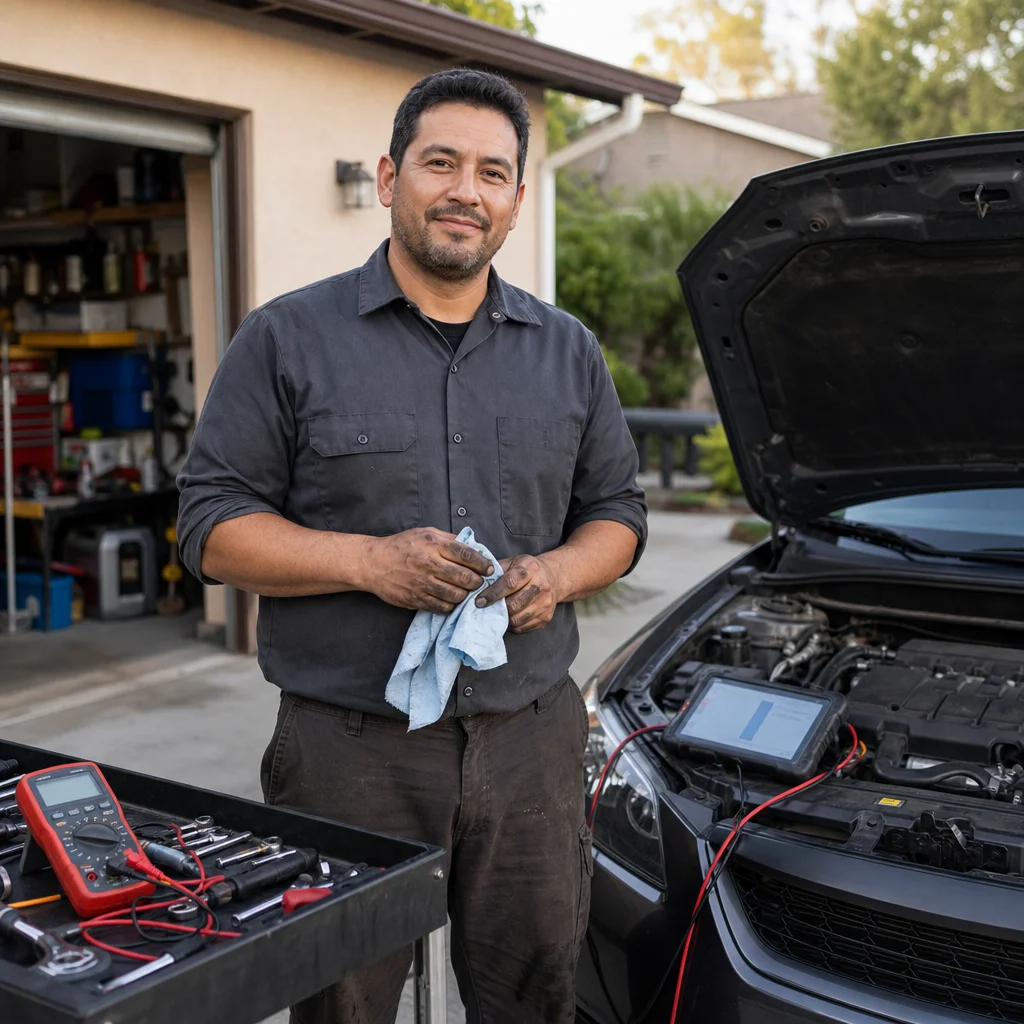
A vehicle that pulls to one side when you brake deserves attention, even if the pull seems mild. The cause may be as simple as uneven tire pressure, but it can also point to a sticking caliper, contaminated brake friction material, a damaged brake hose, or looseness in the suspension. Because braking changes the vehicle’s direction and stopping path, this isn't a symptom to ignore.
The most useful first distinction is whether the vehicle pulls only under braking or also drifts during normal driving. A brake-specific pull points more strongly toward uneven braking force. A persistent drift may involve tires, alignment, or suspension, with braking simply making the problem more noticeable.
Start with the simple comparisons
Before assuming a major brake failure, compare the conditions under which the pull occurs. Does it happen every time you press the pedal, or only after the brakes warm up? Is the steering wheel off-center while cruising? Does the vehicle pull in the same direction when you accelerate, coast, or drive over bumps? These details help separate brake problems from tire, alignment, and suspension problems.
Check the tire pressures when the tires are cold and set them to the vehicle manufacturer’s recommended pressures, normally listed on the driver’s doorjamb label or in the owner’s manual. A noticeably underinflated tire can create a drift or make the vehicle feel unstable under braking. Check all four tires, not just the front pair, and look for uneven wear, a bulge, a separated tread, or an object in the tread.
Tire condition can create a pull even when the pressures match. Different tread depths, mismatched tires, internal tire damage, or a tire with unusual conicity can make the vehicle favor one side. If the pull began after a tire replacement, rotation, or seasonal tire change, the tires deserve particular attention. A tire shop can test for a tire-related pull without requiring you to guess from the steering wheel alone.
Before you test-drive it: Keep any check brief and low-speed in a safe, open area away from traffic. Stop testing if the vehicle pulls sharply, the pedal feels abnormal, a warning light appears, smoke or a burning smell develops, or you can’t maintain control.
When the brake system is applying uneven force
The most direct cause is a difference in braking force between the left and right sides. If one front brake produces more friction than the other, the vehicle usually pulls toward the side doing more work. If a front caliper is sticking, however, the result may be less predictable: the vehicle can pull toward the dragging side while braking, or the weak side can make the vehicle pull away from it. The exact direction is a clue, not a definitive diagnosis.
A sticking caliper may have seized slide pins, a piston that doesn't retract properly, corrosion, or damaged hardware. One brake may remain partly applied after you release the pedal, causing heat and accelerated wear. Other signs include a wheel that feels unusually hot compared with the opposite side, a burning odor, reduced fuel economy, or the vehicle pulling even when you aren't braking.
Don't touch a brake rotor or caliper after driving to compare temperatures. Brake components can remain hot enough to cause a serious burn. A technician can use suitable tools to compare temperatures and inspect the caliper, slide hardware, pads, rotor, and hose safely.
A flexible brake hose can also contribute. Internal damage may allow pressure to reach a caliper but prevent it from releasing normally. From outside, the hose may not look badly damaged. If the pull appeared after brake work or is accompanied by a dragging brake, uneven pad wear, or a pedal that doesn't behave normally, have the hydraulic system inspected rather than replacing parts at random.
Brake pads, rotors, and friction surfaces
Brake pads don't always wear evenly from side to side. One side may have a thinner pad, a glazed friction surface, contamination from grease or fluid, or hardware that prevents the pad from moving freely. A rotor with uneven friction deposits, heavy corrosion, or damage can change the braking force as the pad contacts it.
A warped rotor is often blamed for every braking complaint, but rotor thickness variation and uneven friction deposits more commonly explain brake pulsation or a pedal that rises and falls. Those conditions can coexist with a pull, but a steering wheel that consistently moves to one side is more suggestive of an imbalance between the two sides, a tire issue, or looseness in the chassis.
Replacing only the visibly worn pad or rotor on one side is usually not a sensible repair. Braking components on the same axle are designed to work as a pair, and the underlying cause—such as a seized slide pin or contaminated friction material—must also be corrected. Otherwise, the new part may develop the same problem.
Brake fluid leaks require immediate attention. Look for fluid around the caliper, brake hose, master cylinder, or inside a wheel, but don’t rely on the absence of a visible leak to confirm that the system is safe. A low fluid level, a soft or sinking pedal, or a brake warning light should be treated as a reason to stop driving and arrange professional inspection.
Alignment and suspension causes
Wheel alignment can make a vehicle drift, but alignment alone isn't always the best explanation when the pull appears only as you brake. Braking shifts the vehicle’s weight forward and loads the suspension. That extra load can expose an alignment problem or a worn component that feels less obvious during normal cruising.
Possible contributors include worn control-arm bushings, a damaged ball joint, a bent steering or suspension component, a loose tie-rod end, or a strut problem. A vehicle may also pull more strongly on roads with a pronounced crown, where the pavement slopes to help water drain. Compare the behavior on more than one suitable road, but don’t use a busy road or high speed for diagnosis.
If the steering wheel is off-center, the car drifts while coasting, the tires show feathered or one-sided wear, or the vehicle wanders over bumps, have the suspension checked before paying for an alignment. An alignment can adjust angles; it can't repair a loose joint, bent component, or worn bushing. Performing an alignment without addressing the mechanical problem may provide only a temporary improvement.
A sensible troubleshooting sequence
Begin with the vehicle parked on level ground. Check tire pressures, tire condition, wheel installation, and any obvious fluid leak. Review when the symptom began and whether it followed tire service, brake work, a pothole impact, or a long period of sitting. This information can save diagnostic time.
Next, consider whether the symptom is braking-specific. If the vehicle drifts during ordinary driving, the tires, alignment, and suspension move higher on the list. If it pulls mainly when the pedal is pressed, uneven brake force and a dragging brake deserve priority. If the pedal pulses, the steering wheel shakes, or the pull changes with vehicle speed, mention those details when arranging an inspection.
Avoid disassembling brakes or opening hydraulic connections unless you have the correct tools, replacement hardware, bleeding equipment, and a clear repair procedure for your vehicle. Brake work requires reliable support, clean friction surfaces, correct torque, and a properly bled system. A mistake may not reveal itself until you need maximum braking force.
A professional inspection should compare pad thickness, rotor condition, caliper movement, hose condition, brake fluid, tire behavior, wheel bearings, steering joints, and alignment-related measurements. The goal is to identify why the two sides behave differently, not merely to install the most obvious replacement part.
When you should stop driving
Arrange prompt professional help if the pull is strong or suddenly worse, the vehicle requires constant steering correction, or braking distance seems longer. The same applies to a soft or sinking pedal, a brake warning light, grinding, repeated clunks, smoke, a burning smell, visible fluid, or a wheel that becomes much hotter than its counterpart.
If the vehicle pulls only slightly and the pedal feels normal, you can begin with tire-pressure and tire-condition checks, but avoid treating that as proof that the brakes are sound. A mild pull can become more severe as a caliper binds further, a tire loses pressure, or a worn suspension part develops more play.
The safest next step is to record the direction of the pull, when it occurs, and any related noise, heat, odor, vibration, or warning light. Check the tires without taking risks, then have the braking and steering systems inspected if the symptom remains. Since braking-specific pulling can involve a caliper, hydraulic fault, or suspension problem, professional diagnosis is the sensible choice whenever the cause isn’t obvious or the vehicle’s control feels compromised.