When Should You Rent a Specialty Tool Instead of Buying It?
A brake, suspension, or diagnostic repair can make one expensive tool look like a bargain—until rental fees and availability change the calculation. I’ll help you weigh frequency, complexity, failure risk, and local options before spending your money.
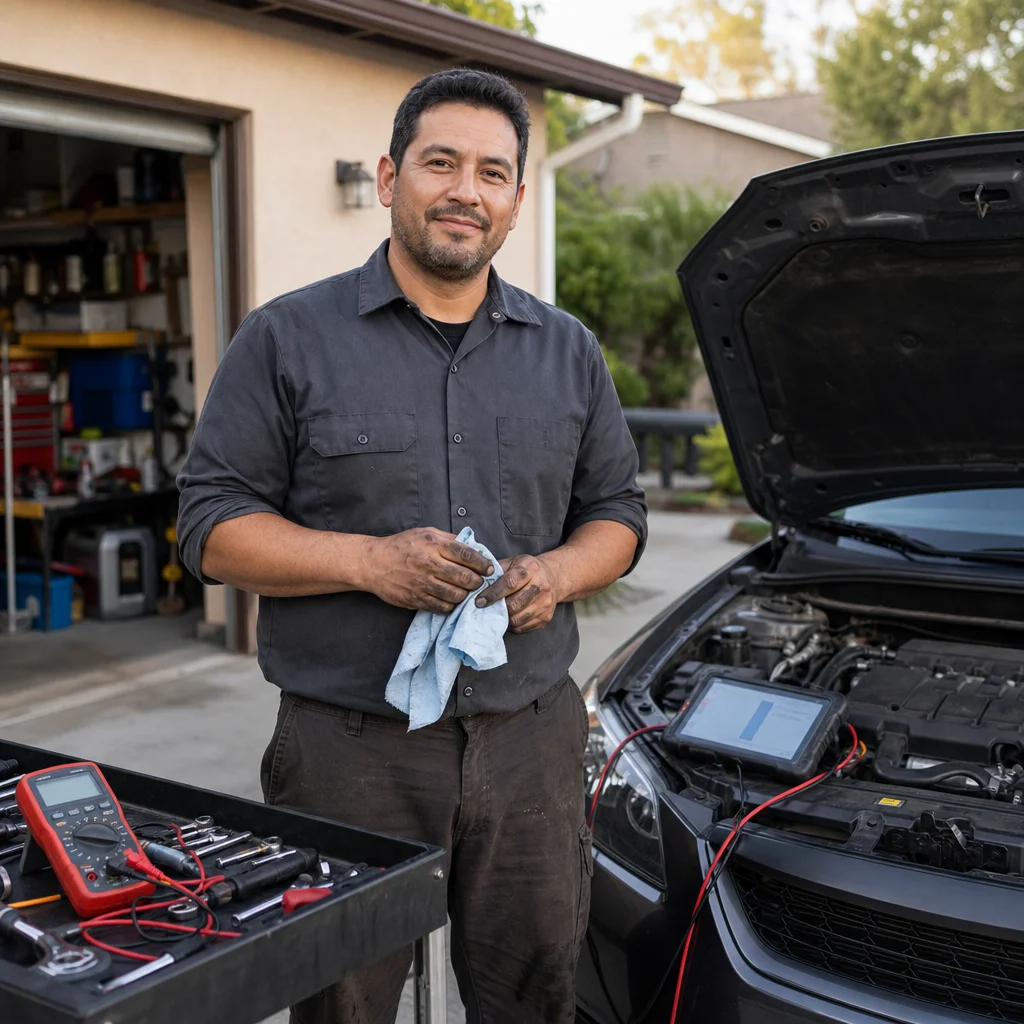
A specialty tool can turn an otherwise manageable repair into a sensible DIY project, but buying one for a single job often leaves you with an expensive object you may never use again. Renting can save money, although the cheapest advertised option isn’t always the best choice if the tool is worn, incomplete, unavailable when needed, or difficult to use safely.
The right decision depends on more than the purchase price. Consider how often you’ll use the tool, how complicated it is, what could go wrong, and whether a suitable rental is genuinely available near you.
Start with how often you’ll use it
Frequency is the simplest part of the decision. If you expect to use a tool once for a repair on one vehicle, renting is usually worth investigating first. This is common with tools such as ball-joint presses, wheel-bearing adapters, spring compressors, engine hoists, and some specialty pullers.
Buying becomes more reasonable when you maintain several vehicles, expect to repeat the same repair, or regularly help family members and friends. A tool that is used several times can justify its storage space and purchase cost, especially when repeated rental trips would add transportation, deposits, and time away from the repair.
Think beyond the current problem, but don’t assume a vague future need will arrive. “I might use it someday” is a weak reason to buy a tool that costs several hundred dollars. A more useful question is whether you can identify two or three likely jobs in the next few years and whether the same tool is appropriate for all of them.
Compare the full cost, not just the rental rate
Rental pricing may be shown by the day, weekend, week, or rental period defined by the store. Compare that cost with the complete purchase price, including shipping, taxes, adapters, replacement parts, and any accessories needed to make the tool work on your vehicle.
For a purchase, divide the total cost by the number of realistic uses. If a tool costs $180 and you expect to use it three times, its practical cost is about $60 per use. If a rental costs $35 but requires two trips across town and a refundable deposit, buying may still make sense if you’ll use the tool several times. These dollar amounts are examples rather than fixed market prices; rental rates, deposits, and taxes vary by store and location.
Rental terms also matter. Some programs refund the rental charge when you buy the tool, while others charge a fee that isn't applied to a purchase. Some stores require a deposit or place a temporary hold on a payment card. Late fees, missing components, damage charges, and replacement costs can change the calculation.
Check the current rental terms: Before reserving the tool, confirm the complete fee, deposit, rental period, late policy, included adapters, identification requirements, and damage rules with the specific store. Policies and availability can change, and Canadian and U.S. locations may operate differently.
Consider the tool’s complexity
A simple specialty tool is easier to rent successfully than a complicated electronic or hydraulic device. A basic puller or press adapter can often be examined for damage and used according to clear instructions. A diagnostic scanner, electronic brake service tool, or programming device may depend on software coverage, vehicle compatibility, charged batteries, cables, and current subscriptions.
Complex tools can be poor purchases for beginners because ownership doesn’t automatically make them easier to use. You may need to learn setup procedures, interpret readings, select the correct mode, or avoid damaging a vehicle module. Renting can be sensible if the tool is needed for one clearly understood function, but only if you can confirm that it supports your year, make, model, engine, and repair system.
The same principle applies to adapters. A rented press may be useful only when the store has the correct cups and sleeves for your bearing or bushing. A scan tool may read engine codes but not perform the steering-angle calibration you actually need. Tool compatibility should be confirmed before you commit to disassembly.
Weigh failure risk and the cost of being wrong
Some specialty tools fail in a relatively harmless way: you lose time and return to the store. Others can cause serious injury, damage a vehicle, or ruin a new part if they slip, overload, or are used incorrectly. Failure risk should influence both the rental decision and whether the repair is appropriate for home work.
For example, a quality spring compressor can be expensive, but a poorly made or damaged compressor can release stored energy with dangerous force. A puller that is overloaded may bend, break, or send a component across the work area. A torque multiplier, hydraulic press, or engine support tool can also create risks if its capacity, mounting points, or condition is misunderstood.
Inspect a rented mechanical tool before taking it home. Look for bent threaded rods, damaged threads, cracked welds, distorted jaws, missing retaining pins, leaking hydraulic parts, and labels that show the tool’s capacity. Make sure every adapter and fastener listed in the instructions is present. If the tool looks questionable, ask for another one rather than trying to make it work.
You should also account for the cost of a mistake. A failed rental tool might mean buying another gasket, hub, bearing, or fastener, while a mistake with a scan tool could lead you to replace a part that wasn’t faulty. If the repair has little margin for error, a professional service or a reputable shop that rents and demonstrates the tool may be better value than either buying or borrowing.
Check local availability before taking the car apart
A rental makes sense only if you can obtain the right tool when you need it. National auto-parts chains, independent parts stores, equipment-rental businesses, tool libraries, and community programs may offer different tools and different terms. Availability can vary between nearby locations, and a store’s online listing may not show whether all adapters are currently in the case.
Call or reserve the tool before dismantling the vehicle. Ask the staff member to identify the exact kit, not just the general tool name. “Wheel-bearing tool” could mean a press kit, a slide hammer, a hub puller, or an adapter set that fits only certain designs. Have your vehicle information and the part number or repair instructions available.
Time is another cost. If the rental must be returned the same day, leave enough time for cleaning, reassembly, and unexpected problems. A seized fastener or incorrect adapter can turn a one-day repair into a weekend project. If you can’t extend the rental, you may be forced to hurry, which is a poor trade when working around brakes, suspension, steering, or fuel systems.
Know when buying is the better choice
Buying is often reasonable when the tool is relatively simple, durable, and broadly useful. A quality torque wrench, test light, multimeter, or set of common sockets may support many repairs over time. These aren’t always “specialty” tools, but the ownership decision follows the same logic: reliable equipment can reduce repeated rental trips and help you build a useful basic kit.
Purchase may also make sense when local rental availability is poor. If the nearest suitable tool is hours away, the travel cost and lost time can exceed the difference between renting and buying. Ownership gives you more time to read the instructions, practice the setup, and stop when something doesn’t look right.
Still, don’t use ownership as a reason to choose an unsafe tool. A cheap spring compressor, unsupported engine hoist, or low-quality lifting accessory may cost less upfront but expose you to greater risk. For high-load equipment, quality, condition, and correct capacity matter more than getting the lowest price.
A beginner-friendly decision process
Before deciding, write down the exact repair and the tool’s specific job. Then ask four questions: Will you use it again? How difficult is it to operate correctly? What happens if it slips, breaks, or gives a misleading result? Can you rent the correct, complete tool locally for a reasonable period?
If the repair is a one-time job, the tool is specialized, and a nearby store has a complete kit in good condition, renting is usually the practical starting point. If you maintain multiple vehicles, will repeat the repair, or face high travel and rental costs, buying may be more economical. If the tool involves stored energy, heavy loads, vehicle programming, or a repair you don’t fully understand, consider professional help instead of treating ownership as a solution.
Read the tool’s instructions before beginning, use the required protective equipment, and support the vehicle with equipment rated for the load and used on a suitable surface. Follow the vehicle manufacturer’s repair procedure where available. Safety practices and equipment requirements can depend on the job, location, and tool, so verify current instructions rather than relying on a generic video or an old forum post.
The best choice is the one that controls total cost without creating unnecessary risk. Rent when the job is unusual and the correct tool is readily available. Buy when repeated use, broad usefulness, or poor local access justifies ownership. When complexity or failure consequences are high, let the difficulty of the repair—not the price of the tool—guide whether you do it yourself.