What Causes a Rattle When a Manual Car Accelerates in a High Gear?
A rattle under high-gear acceleration can come from lugging, loose exhaust hardware, clutch or flywheel parts, mounts, or the drivetrain itself. I’ll explain how changes in load and engine speed help separate these causes without turning a simple noise into an expensive repair.
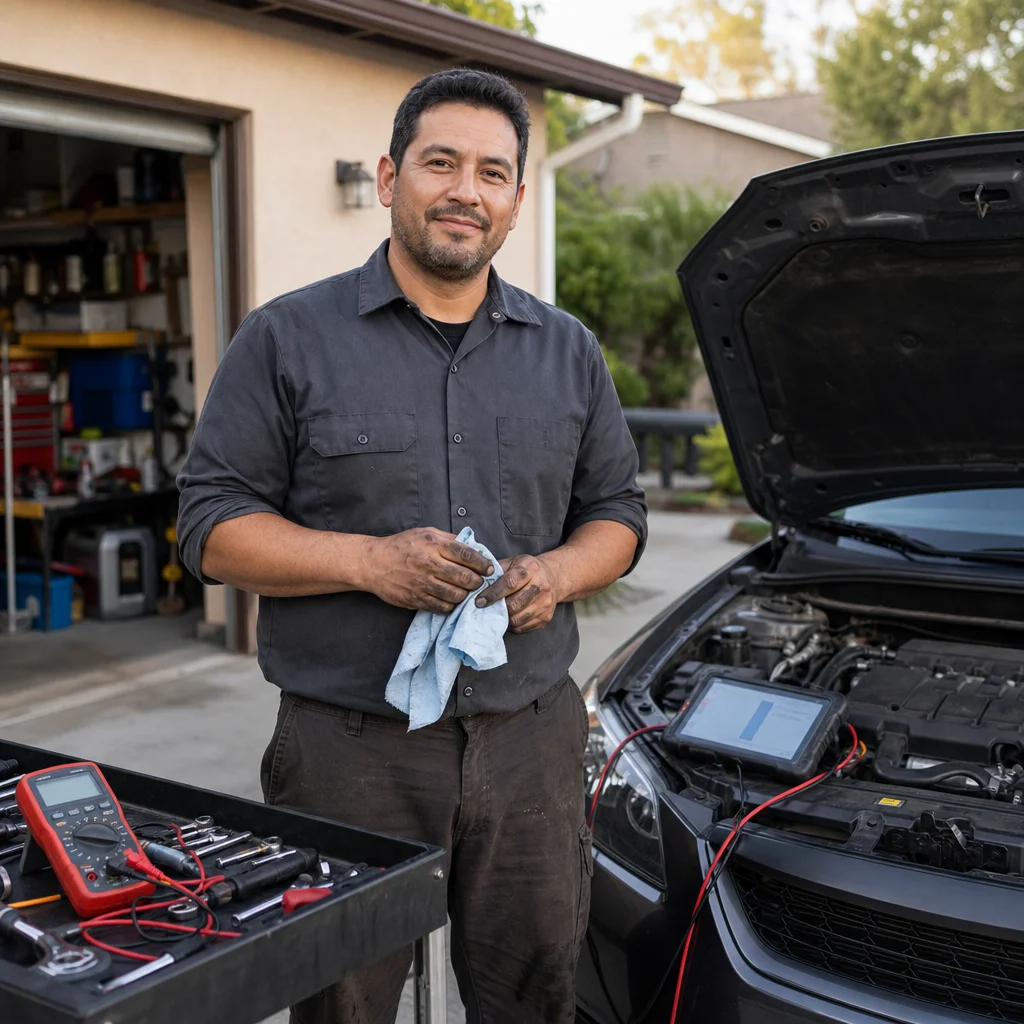
A rattle when you accelerate in a high gear is often blamed on the transmission, but the gear itself may only be exposing a problem elsewhere. High gears place a heavier load on the engine at relatively low engine speed, which can make normal vibration, loose hardware, or a developing mechanical fault much easier to hear.
The safest way to investigate is to pay attention to when the sound appears, then make small, controlled changes in engine speed and load. A noise that disappears when you select a lower gear points toward a different set of possibilities than one that continues while coasting or changes when you press the clutch pedal.
Start with the difference between lugging and a fault
Lugging happens when the engine is asked to accelerate the car from too low an engine speed in too high a gear. Instead of spinning freely, the engine struggles against the load. You may feel vibration through the body or gear lever, hear a dull knocking or rattling sound, and notice that acceleration is slow.
This isn't the same as a healthy engine operating quietly under load. A lugging engine often feels rough and unhappy, particularly when climbing a hill, accelerating from a low road speed, or carrying extra weight. In a gasoline engine, it may also produce a brief pinging or metallic knock if combustion becomes abnormal. A diesel engine can sound harsher under heavy low-speed load as well.
The first response is simple: select a lower gear and let the engine run at a more suitable speed. You don't need to force the car to accelerate in the highest available gear. If the sound disappears immediately when you downshift and the car otherwise runs normally, lugging is a strong possibility.
Repeatedly demanding strong acceleration at very low engine speed is a common mistake. Even when it doesn't cause an immediate failure, it can increase vibration and load on the engine, clutch, dual-mass flywheel where fitted, mounts, and drivetrain. Use a lower gear before a hill or whenever the engine feels rough rather than waiting for the rattle to become loud.
Try a controlled downshift: On a quiet, legal stretch of road, note the engine speed and throttle position when the rattle begins. Ease off, select a lower gear, and accelerate gently. Stop testing if the noise becomes severe, the car loses power, warning lights appear, or the vehicle behaves unpredictably.
Use load and engine speed to narrow the source
A useful road test changes one condition at a time. You aren't trying to reproduce the noise at maximum intensity; you are looking for a pattern. Make a mental note of whether the sound occurs during acceleration, at a steady speed, while lifting off the throttle, or when the clutch is operated.
If the rattle appears only when the engine is pulling hard at low speed and stops after a downshift, lugging or combustion-related noise moves higher on the list. If the noise occurs at a particular engine speed in several gears, a loose shield, bracket, intake component, or other part attached to the engine may be resonating at that frequency.
If it follows road speed rather than engine speed, consider components farther along the drivetrain, such as a driveshaft, axle, differential, or wheel-related part. On a front-wheel-drive car, a worn inner constant-velocity joint can produce vibration under acceleration, though it may not sound like a simple metallic rattle. A noise that continues when you release the throttle deserves more attention than one limited to heavy engine load.
Avoid repeatedly flooring the throttle in a high gear to make the sound happen. That adds unnecessary stress and can turn a manageable issue into a breakdown. Gentle, repeatable observations are more useful than an aggressive test.
Loose exhaust shields are common and easy to mistake for drivetrain trouble
Thin metal heat shields around the exhaust, catalytic converter, turbocharger, or other hot components can loosen at their fasteners or crack around mounting points. They may vibrate only when the engine moves under acceleration or when the exhaust reaches a particular temperature. The result is often a sharp metallic buzz or rattle that sounds as though it is coming from under the floor.
An exhaust shield may rattle while the car is stationary if the engine is brought briefly to the same engine speed, but don't reach into the engine bay or under the car while anything is hot. With the vehicle fully cool and safely parked, you can look for visibly loose shields, missing fasteners, or signs that metal has been rubbing. Don't treat a shield as unnecessary simply because it makes noise; it protects nearby components and bodywork from exhaust heat.
Other exhaust problems can sound similar. A broken internal section of a catalytic converter or muffler may rattle as the exhaust pulses pass through it. A loose hanger can allow the pipe to contact the body during acceleration. Exhaust leaks may add a ticking or puffing sound, especially near a flange or manifold, and shouldn't be ignored because fumes can enter the passenger compartment.
Clutch and flywheel noises change when you operate the pedal
A manual car's clutch assembly connects the engine to the transmission. Depending on the vehicle, it may include a single-mass flywheel or a dual-mass flywheel designed to absorb torsional vibration. Wear or looseness in these parts can create rattling, clattering, juddering, or knocking under changing load.
Pay attention to the clutch pedal. With the car stationary, transmission in neutral, and the parking brake applied, listen for a change as you gently press and release the pedal. A noise that changes substantially when the pedal is pressed may involve the release bearing, clutch assembly, input-shaft area, or flywheel. That observation doesn't identify one failed part by itself, but it gives a mechanic useful direction.
A worn dual-mass flywheel can produce a rattle at low engine speed, during takeoff, or when the engine switches between driving and coasting. You may also feel vibration through the clutch pedal or notice clunking when shutting the engine off. A clutch that slips usually shows a rise in engine speed without a matching increase in road speed, especially in a high gear, but slipping and rattling are separate symptoms and can occur together.
Don't rest your foot on the clutch pedal during normal driving, and don't use excessive throttle to hold the car on a hill. Both habits create unnecessary heat and wear. If the rattle is accompanied by clutch slip, difficulty selecting gears, a burning smell, or strong judder, arrange an inspection rather than continuing to test it.
Engine and transmission mounts can make load changes sound dramatic
Mounts hold the engine and transmission in position while isolating vibration from the body. When a mount is worn, torn, or loose, the powertrain can move farther than intended as torque is applied. That movement may cause a thump, clunk, or rattle, and it can make an exhaust pipe, shield, bracket, or intake duct contact another part.
Mount-related noises often appear when you get on and off the throttle, not just during steady acceleration. You might feel a noticeable jolt during shifts, see excessive engine movement, or hear a single knock as the drivetrain takes up slack. These clues are more suggestive of a mount or related clearance problem than of ordinary lugging.
Mounts shouldn't be tested by standing in front of the car and revving it in gear. A vehicle can move unexpectedly, and rotating parts are dangerous. A visual inspection from above may reveal separated rubber or a leaking hydraulic mount, but many failures are best assessed with the vehicle properly supported and the correct inspection procedure.
Internal drivetrain problems need a wider pattern of symptoms
If the noise is tied to road speed, remains after a downshift, or appears during acceleration and deceleration, the cause may be beyond the engine. Worn universal joints, driveshaft components, differential gears, axle joints, or transmission bearings can produce hums, clicks, clunks, or rattles. The exact possibilities depend on whether the car is front-, rear-, or all-wheel drive.
Transmission-related noise may change between gears or when the clutch is depressed. Differential noise can vary between driving and coasting. A failing bearing may produce a whine or growl that increases with speed rather than a brief rattle under one particular load. These patterns are helpful, but they aren't reliable enough to justify replacing expensive parts based on sound alone.
Look for accompanying signs such as fluid leaks, difficulty selecting a gear, a gear that pops out, vibration through the floor, a clicking sound while turning, or a new clunk when changing direction. Stop driving and seek professional help if the noise is severe, the drivetrain jerks violently, a fluid leak is substantial, or you suspect a damaged driveshaft or axle.
A sensible diagnosis sequence
Begin by recording the conditions: gear, approximate engine speed, road speed, throttle position, uphill or level road, engine temperature, and whether the clutch is engaged. Also note whether the sound is metallic, dull, buzzing, clicking, or grinding. A short recording made by a passenger can help, but never handle a phone while driving.
Next, determine whether the noise follows engine speed or road speed. If it stops after a gentle downshift, compare that result with a lighter throttle application in the original gear. If it occurs at the same engine speed in different gears, inspect for components that can resonate. If it changes with the clutch pedal, have the clutch and flywheel area evaluated. If it continues while coasting, look beyond simple engine lugging.
With the vehicle cool and safely parked, inspect only what you can see without removing covers or getting underneath an inadequately supported car. Check for loose heat shields, hanging exhaust sections, damaged plastic, fresh fluid, and obvious contact marks. Don't strike hot exhaust parts, reach near belts or fans, or rely on a jack alone to support a vehicle.
Check the symptom before buying parts: Write down whether the rattle follows engine speed, road speed, throttle load, or clutch-pedal position. Give those observations to the repair shop; they are more useful than guessing that the transmission needs replacement.
A rattle that occurs only during low-speed, high-gear acceleration is often prevented by downshifting earlier and avoiding heavy throttle while the engine is struggling. But if the sound is new, worsening, present in several driving conditions, or accompanied by vibration, slipping, warning lights, leaks, or shifting trouble, schedule a proper inspection.
The practical distinction is this: lugging usually responds immediately to a lower gear and lighter load, while a loose shield, mount, clutch component, or drivetrain fault tends to leave a repeatable mechanical pattern. Treat that pattern as information, not a verdict. Gentle testing, safe visual checks, and timely professional diagnosis can keep a small rattle from becoming a much larger repair.