Why Does My Car Smell Like Gas After Refueling?
I’ll clarify why a gasoline smell can linger after refueling, from a spilled drop or loose cap to an EVAP fault or fuel leak. You’ll learn what you can safely check yourself and when the car shouldn't be driven.
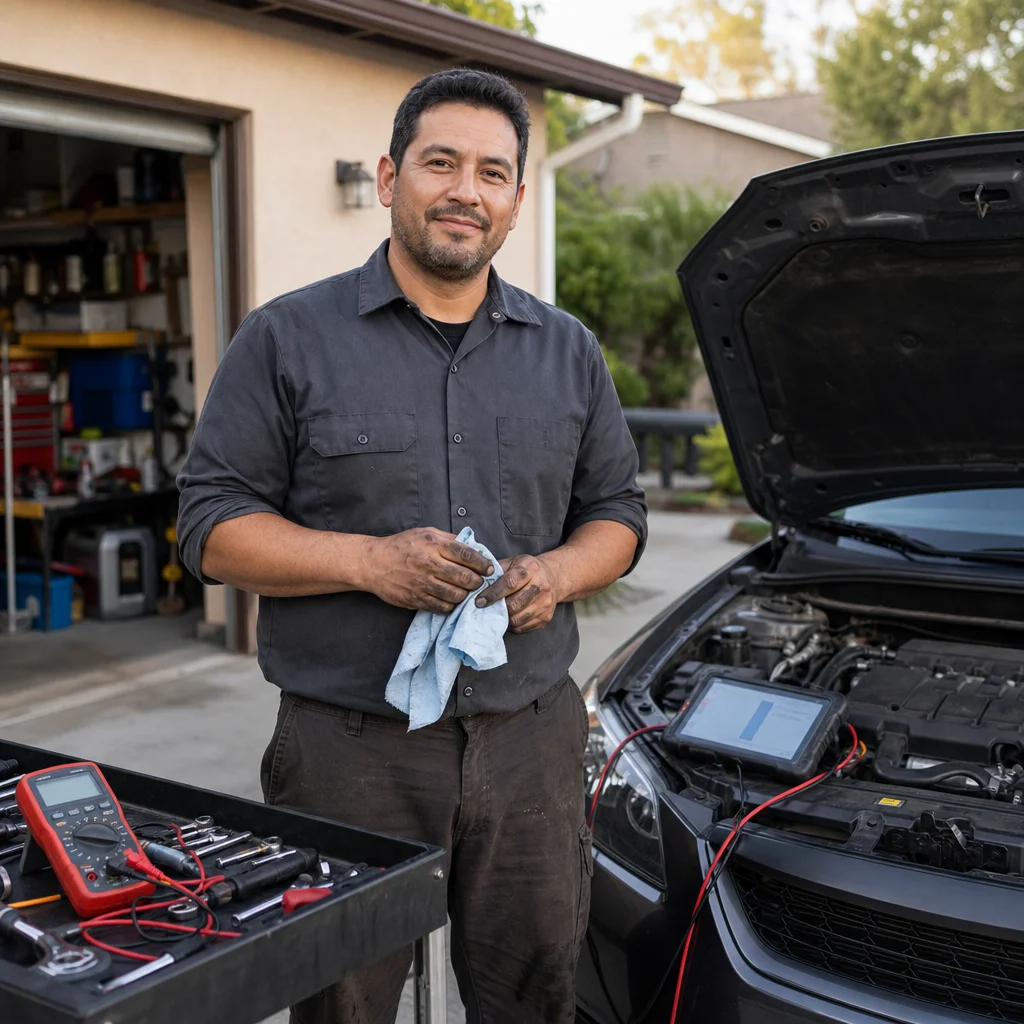
A brief gasoline smell after refueling is often caused by a small spill or a fuel cap that wasn’t tightened, but it shouldn’t automatically be dismissed. Fuel vapor can also escape through a damaged cap seal, an evaporative-emissions system fault, or a leaking fuel component. The important question is whether the smell fades quickly or remains strong and returns when the car is parked.
Start with the simplest explanations
If the smell began immediately after filling up, look for spilled gasoline around the filler door, fuel cap, and the side of the vehicle. A few drops on the paint, pavement, shoes, or a jacket can create a noticeable odor. Gasoline evaporates quickly, but the smell may linger in a confined area such as a garage or inside the vehicle.
Don’t wipe gasoline with a cloth and leave the cloth indoors or in the trunk. Move any fuel-contaminated item outside, away from ignition sources, and allow it to air out safely. If gasoline has pooled on the ground, avoid starting the engine or creating sparks and follow local guidance for handling the spill.
Next, check the fuel cap. Remove it and inspect the sealing surface for dirt, cracks, or a flattened rubber seal. Reinstall it until it clicks or reaches the firm stopping point specified for your vehicle. A cap that looks installed but isn’t sealing can allow vapor to escape and may eventually trigger the check-engine light.
Some vehicles use a capless filler system, so there may be no removable cap to tighten. In that case, inspect the filler opening for dirt or a foreign object, and don’t force tools or objects into the mechanism. The owner’s manual will explain the correct way to close and check that type of filler.
Check the immediate fuel area first: With the engine off and the vehicle outdoors, look for wet fuel, fresh drips, or a strong odor around the filler door and beneath the vehicle. If you see liquid gasoline or the smell is intense, skip further troubleshooting and arrange professional help.
How the evaporative-emissions system fits in
Your car’s evaporative-emissions, or EVAP, system is designed to keep gasoline vapors from escaping into the atmosphere. It normally routes vapors from the fuel tank into a charcoal canister, where they are stored temporarily. Under suitable operating conditions, the engine draws those vapors in and burns them.
The system includes the fuel cap or filler seal, hoses, valves, the charcoal canister, and a sensor or tank-pressure monitoring system. A small crack, loose hose, stuck valve, or damaged canister can let vapor escape even when no liquid fuel is leaking. That can create a gasoline smell after refueling, especially when the tank is full or the weather is warm.
An EVAP problem commonly turns on the check-engine light, although the light may not appear immediately. The vehicle’s computer runs some emissions tests only under particular conditions, so the fault can take more than one drive cycle to register. Common diagnostic codes include codes in the P0440–P0457 range, but the code alone usually identifies a system area rather than a single failed part.
A loose cap is inexpensive and easy to correct. Replacing an EVAP valve or repairing a vapor line is more involved, and replacing parts based only on a code can waste money. A proper diagnosis may require a visual inspection, a scan tool, and sometimes an EVAP smoke test performed with equipment designed for that purpose.
Signs that suggest a fuel leak
A liquid-fuel leak is more urgent than an ordinary vapor leak. Look beneath the vehicle after it has been parked, particularly near the fuel tank, filler neck, and the middle or rear underside. Fresh wet spots, dripping fuel, or a growing stain are warning signs. Don’t crawl under a vehicle supported only by a jack to investigate.
The odor may also come from the engine compartment. Depending on the vehicle, pressurized fuel lines, injectors, a fuel rail, or other connections can leak. A fuel leak near hot engine components or electrical equipment creates a fire risk. You may notice hard starting, rough running, reduced fuel economy, or visible dampness, but a dangerous leak can exist without all of these symptoms.
A smell inside the cabin deserves particular attention. Vapor can enter through the rear seat area, trunk, cargo area, or ventilation system if a fuel-tank component, filler connection, or vapor line is leaking. Opening the windows may reduce the odor, but it doesn’t fix the source. Don’t use air freshener to cover it up or continue driving simply because the smell becomes less noticeable.
What you can safely check
Park outdoors, switch off the engine, and keep cigarettes, flames, and other ignition sources away. Let the vehicle cool if you suspect the smell is coming from the engine compartment. You can make a basic visual inspection without removing fuel-system components:
- Confirm that the fuel cap is properly installed, or that the capless filler door is fully closed.
- Look for wet fuel or fresh stains around the filler door and under the vehicle.
- Check whether the odor is strongest at the rear, near the engine bay, or inside the cabin.
- Note whether the smell fades after a spill is cleaned and the vehicle is aired out.
- Check the dashboard for a check-engine light or other warning message.
- Look in the owner’s manual for fuel-system warnings and the correct cap or filler procedure.
Don’t disconnect fuel lines, open the fuel tank, remove the charcoal canister, or spray cleaners into the filler neck as a first step. Fuel systems may retain pressure, and a small spark or incorrect repair can make the situation worse. Avoid using a household smoke machine or compressed air to search for an EVAP leak; those methods can damage components or introduce an ignition hazard.
A basic OBD-II scanner can tell you whether the computer has stored an emissions-related code, but it can’t reliably distinguish every EVAP leak from a faulty valve, damaged hose, or defective sensor. If the check-engine light is flashing, the engine is running very poorly, or additional warning lights appear, stop driving and seek professional advice rather than treating the issue as a simple fuel-cap problem.
When you shouldn't drive
Don't drive the vehicle if you can see gasoline dripping or pooling, the smell is strong and persistent, fuel is leaking near the engine, or vapor is clearly entering the cabin. Move people away from the vehicle, avoid starting it, and contact roadside assistance or a qualified repair shop. If there is an active spill or fire risk, contact the appropriate emergency service rather than attempting to clean up a large release yourself.
A short trip to a repair shop may be reasonable only when there is no visible leak, the odor was clearly caused by a minor spill, the smell has gone away, and the vehicle is operating normally. Even then, use caution: keep the windows open if needed, avoid parking in an enclosed garage, and stop immediately if the odor returns or becomes stronger.
Rules and roadside procedures can vary by state and local authority, especially for fuel spills, towing, and disposal of contaminated materials. If you’re unsure how to handle spilled gasoline or a suspected leak, follow your local fire department, environmental agency, or roadside-assistance guidance.
Confirm the safe next move: Before driving after a gasoline odor, verify that there’s no visible fuel, no continuing strong smell, and no sign of vapor entering the cabin. If any of those conditions remain, have the vehicle inspected or towed instead.
What a repair shop may diagnose
A technician will usually begin by confirming the location and timing of the odor, checking for liquid leaks, inspecting the filler neck and cap, and scanning for diagnostic trouble codes. They may examine fuel-system connections and EVAP hoses, then use a controlled smoke test or other manufacturer-approved procedure to locate a vapor leak.
The repair could be as simple as cleaning or replacing a fuel-cap seal. Other possibilities include a cracked EVAP hose, a faulty purge or vent valve, a damaged charcoal canister, a leaking filler neck, or a problem with a fuel-tank seal. These faults can look similar from the driver’s seat, so the correct repair depends on evidence rather than the smell alone.
Tell the technician exactly when the smell occurs: immediately after refueling, only with a full tank, while driving, after parking, or inside the cabin. Mention any check-engine light, recent filling difficulty, fuel spilled during the last stop, or change in fuel economy. Those details can shorten the diagnostic process.
A sensible way to handle the problem
If the smell appeared right after filling up and quickly fades, clean up any spill and make sure the cap or capless filler is properly sealed. If the odor continues, returns on later trips, or is accompanied by a check-engine light, arrange an EVAP and fuel-system inspection instead of repeatedly replacing fuel caps or clearing codes.
Persistent gasoline odor is a warning to investigate, not a normal feature of refueling. A minor vapor fault may only require a small repair, while liquid fuel or cabin odor can signal a condition that makes driving unsafe. When you can’t confidently rule out a leak, the safest and usually most economical next step is professional diagnosis.