Do You Need a Brake Bleeder for a One-Car Garage?
I’ll compare manual, vacuum, pressure, and two-person brake bleeding so you can choose the least messy, most compatible method for your one-car garage—and recognize when a scan tool, special adapter, or professional shop is the wiser choice.
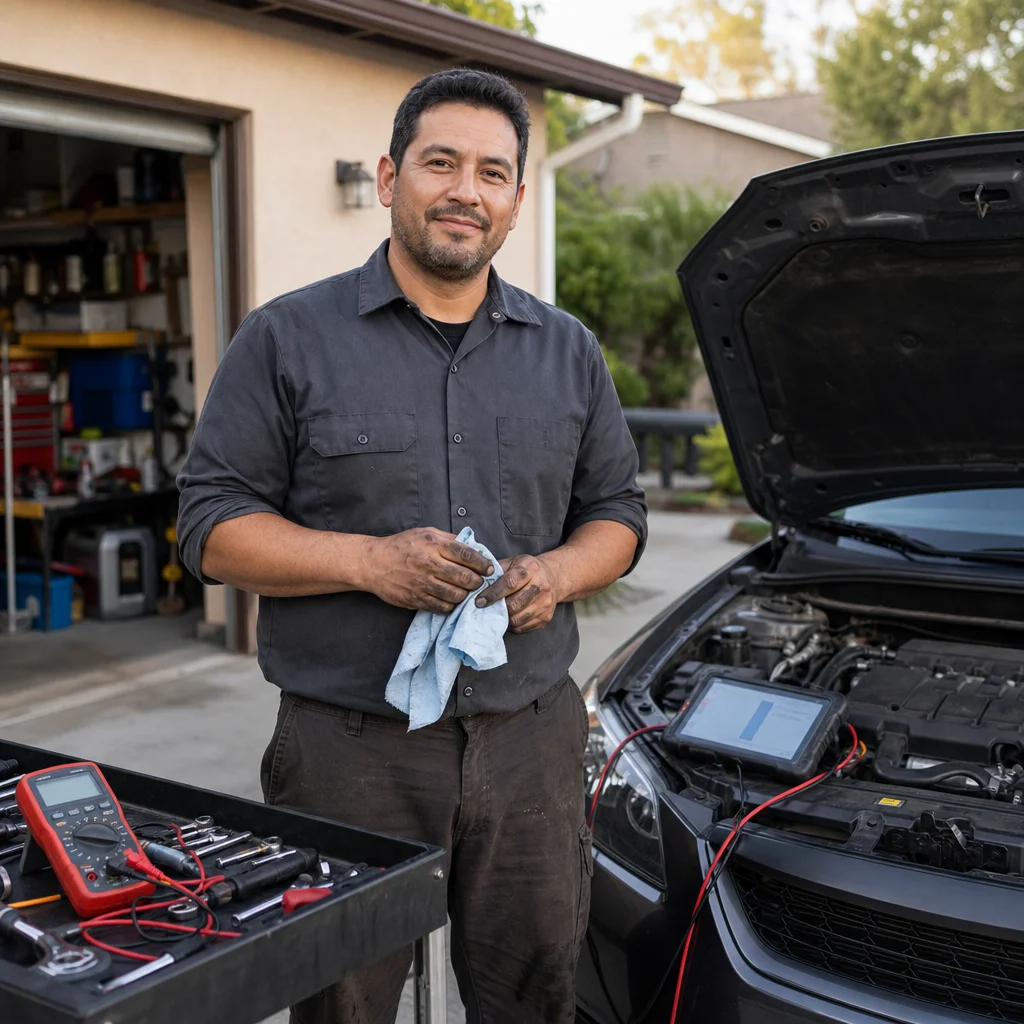
Brake bleeding is one of those jobs that sounds simple until you need to choose a method. You can open each bleeder screw and push fluid through with a helper, or use a vacuum pump, pressure bleeder, or specialized equipment. For a one-car garage, the best choice depends less on owning the most sophisticated tool and more on your vehicle, workspace, cleanup tolerance, and how often you expect to service brakes.
A dedicated brake bleeder isn’t automatically necessary. Many vehicles can be bled effectively with a clear hose, a container, fresh brake fluid, and a second person. However, the right tool can make the process faster, cleaner, and easier to repeat—especially if you’re replacing a caliper, opening a brake line, or working alone.
What brake bleeding is supposed to accomplish
Hydraulic brake systems rely on brake fluid transmitting pressure from the master cylinder to the calipers or wheel cylinders. Fluid doesn’t compress much, but air does. If air enters the system, the brake pedal may feel soft, spongy, or lower than normal because some of your pedal movement is compressing bubbles instead of applying the brakes.
Bleeding removes air and replaces contaminated or moisture-laden fluid with clean fluid. It can also clear air introduced during a repair. A routine fluid exchange is different from fixing a leak: if the fluid level keeps dropping or you see wetness around a hose, caliper, wheel cylinder, master cylinder, or ABS component, find and repair the leak before relying on bleeding alone.
The bleeding sequence varies. Some vehicles specify the wheel farthest from the master cylinder first, while others use a different order because of the hydraulic layout or an integral ABS unit. Follow the service information for your specific year, make, model, and brake configuration.
Confirm your vehicle’s bleeding procedure: Before opening a bleeder screw, check the owner’s manual or reliable service information for the specified fluid, wheel sequence, pedal instructions, and any ABS bleeding procedure. Some systems require a scan tool or additional steps after air enters the ABS hydraulic unit.
The four common methods
Two-person manual bleeding
Manual bleeding is the traditional approach. One person slowly presses the brake pedal while the other opens and closes the bleeder screw with a hose attached. The hose directs fluid into a container, and the helper releases the pedal only after the screw is closed. Repeating that sequence pushes air and old fluid out.
This method is inexpensive and works on a wide range of conventional hydraulic systems. It’s also easy to understand when you’re learning. You’ll need a correctly sized bleeder wrench, a transparent hose that fits snugly, a catch bottle, fresh fluid, and a helper who can follow instructions consistently.
The main weaknesses are coordination and the possibility of damaging the master cylinder. If the pedal is repeatedly pushed all the way to the floor on a high-mileage vehicle, the master-cylinder piston can travel into an area it normally doesn’t use. Corrosion or deposits in that area can damage the seals. Use the procedure specified for the vehicle; some manufacturers advise a limited pedal stroke or a pressure-based method instead.
A helper can also release the pedal at the wrong time, allowing air back through the bleeder or hose. Clear communication matters: “hold,” “open,” “close,” and “release” should have one agreed meaning before you begin.
Handheld vacuum bleeding
A vacuum pump connects to the bleeder screw and draws fluid through the caliper or wheel cylinder. It lets one person work alone and usually costs less than a quality pressure bleeder. The reservoir on the pump or the attached catch bottle gives you a useful view of the fluid being removed.
Vacuum bleeding is convenient, but it can produce a misleading stream of bubbles. Air may leak past the bleeder screw threads while the pump is pulling a vacuum. Those bubbles can make it look as if air remains in the brake system even after the system itself is adequately bled. A small amount of grease or purpose-made thread sealant around the outside of the bleeder threads—not inside the hydraulic passage—may reduce this effect, but don’t use a product that could contaminate the brake fluid.
The pump’s small reservoir also fills quickly, and many inexpensive pumps develop leaks at their hose connections. Keep the master-cylinder reservoir from running dry, because doing so can introduce air farther upstream and turn a simple job into a more complicated one. Vacuum bleeding is a reasonable choice for occasional service, but it requires patience and careful interpretation of the bubbles.
Pressure bleeding
A pressure bleeder uses a sealed tank and an adapter to pressurize the master-cylinder reservoir. With the system under controlled pressure, you open one bleeder at a time and let fluid flow until it is clean and free of air. Because the tool supplies the pressure, you can usually work alone without pumping the pedal.
For many DIYers, pressure bleeding offers the best combination of consistency, speed, and reduced mess—provided the adapter fits securely and the tool is used correctly. It avoids the pedal coordination problem of manual bleeding and generally doesn’t require pulling air past the bleeder threads as vacuum bleeding can.
The catch is compatibility. Reservoir shapes and caps vary widely, and a universal adapter that seals poorly can leak brake fluid or allow air into the process. Some pressure bleeders use a separate tank of fluid; others pressurize the vehicle’s reservoir and require you to add fluid there. The latter can reduce waste, while the former may make it easier to monitor the supply, but both require strict attention to fluid level and cleanliness.
Pressure also creates an opportunity for a large leak if a hose, cap, or adapter isn’t secure. Use only the pressure range specified by the tool or vehicle service information, and stop if the reservoir, cap, or connection begins to deform or seep.
Automated or specialty bleeding equipment
Shops may use power bleeders, fluid exchangers, or scan-tool-assisted procedures. These systems can be valuable when a vehicle has a complex ABS or electronically controlled braking system, when air has entered the ABS hydraulic control unit, or when repeated bleeding hasn't restored a firm pedal.
That equipment usually isn’t a sensible first purchase for a one-car garage. Compatibility is more limited, initial cost is higher, and an ABS bleeding routine may depend on vehicle-specific software. A scan tool may command valves and the pump inside the ABS unit, but it doesn’t repair a leak or replace the need for correct mechanical bleeding.
Which method fits a one-car garage?
If you’re bleeding one conventional vehicle once and have a reliable helper, manual bleeding is usually the most economical approach. The required supplies take little storage space, and you won’t need to find an adapter for the master-cylinder reservoir. Spend your attention on clean fluid, correct sequence, secure hose connections, and preventing the reservoir from emptying.
If you generally work alone, a pressure bleeder is often the most useful dedicated tool. It costs more than a basic hose and bottle, but it can serve for future fluid exchanges and repairs. Choose a model with an adapter confirmed for your vehicle rather than assuming a “universal” cap will fit. Storage space is a real consideration in a one-car garage, so a compact unit with replaceable seals and readily available parts is more useful than an oversized professional-style setup you’ll rarely use.
A handheld vacuum pump makes sense when low cost and compact storage matter most. It’s also handy for other automotive tests if the pump includes suitable accessories, though brake bleeding alone may not justify buying one. Expect to spend more time checking for false bubbles and inspecting hose connections.
A specialty or scan-tool procedure is more appropriate when the service information calls for it, when the ABS hydraulic unit was opened or emptied, or when the pedal remains soft after a careful conventional bleed. At that point, paying a shop may be less expensive than buying equipment for a single difficult repair.
Cost, cleanup, and fluid compatibility
The cheapest method isn’t always the least expensive overall. Manual bleeding has low equipment cost but may require another person and more time. Vacuum bleeding adds a compact tool but can use extra fluid while you chase bubbles. Pressure bleeding reduces coordination and often speeds up the job, but the correct adapter is a significant part of the purchase decision.
Brake fluid damages many painted surfaces and can make a garage floor slippery. Cover nearby painted areas, keep absorbent material ready, and wipe spills promptly using a method appropriate for the vehicle and fluid. Don’t reuse fluid that has been exposed to dirt or left in an open container. Use the fluid specification printed on the reservoir cap, in the owner’s manual, or in the service information; DOT classifications aren’t interchangeable simply because the labels look similar.
Keep the container, hose, wrench, and tool clean. Brake systems are less tolerant of contamination than many other vehicle systems, and petroleum-based products such as engine oil or certain lubricants should never be introduced into brake-fluid equipment.
Used brake fluid should be collected and handled according to local household hazardous-waste or automotive-fluid disposal options. Don’t pour it onto the ground, into a drain, or into a storm sewer. Disposal rules and collection services differ by location, so check your local waste authority or recycling program.
Mistakes that cause trouble
The most serious common mistake is allowing the master-cylinder reservoir to run dry. Check it frequently, especially when using vacuum or pressure equipment. Use fresh fluid from a sealed container when possible, and keep the cap on the bottle between pours.
Another mistake is forcing a stuck bleeder screw. A rounded or broken bleeder can turn bleeding into caliper or wheel-cylinder replacement. Clean the area first, use the correct wrench, and apply controlled force. If the screw won’t move, stop before damaging it; corrosion may require a different repair strategy.
Don’t judge success by fluid color alone. A firm pedal, correct fluid level, absence of leaks, and the vehicle’s specified procedure matter more than seeing a particular shade in the hose. If the pedal gradually sinks while steady pressure is applied, suspect a hydraulic problem rather than simply more trapped air.
After bleeding, reinstall bleeder caps if supplied, clean all components, and inspect for seepage. Test the pedal with the engine off, then perform a cautious low-speed brake test in a safe area. The vehicle should stop straight and predictably, with no warning lights or abnormal pedal movement.
When a shop is the better choice
Leave the job to a qualified shop if you can’t identify the correct fluid or bleeding sequence, if a brake line or bleeder is badly corroded, or if the ABS unit requires a scan-tool routine you don’t have. A shop is also the sensible option when the pedal remains soft after proper bleeding, the vehicle pulls while braking, a warning light stays on, or fluid is leaking.
For a one-car garage, the practical decision is usually straightforward: use the two-person method for an occasional, uncomplicated job; choose a compatible pressure bleeder if you work alone and expect to repeat the service; use a vacuum pump when compact, low-cost equipment is the priority; and treat ABS-specific equipment as a specialized need rather than a default purchase.
Whichever method you choose, the tool is only part of the result. Confirm the vehicle’s procedure, protect the paint and floor, keep the reservoir supplied with the correct fluid, and verify the pedal and brakes before normal driving. If the system’s behavior doesn’t match those checks, stop troubleshooting with another bleeding attempt and have the hydraulic system inspected.